Most people searching for sand by the tonne Australia think that figuring out how much sand they need is the biggest challenge, but it seems deceptively simple at first. You work out the area, place an order & just wait for the truck to turn up. Then the real questions start creeping in. Why on earth is one type of sand so much more expensive than another. And why do some projects need to import sand from off shore while entire deserts are literally overflowing with it. Suddenly 1 tonne of sand how many m3 becomes a pretty crucial question halfway through a landscaping job that seemed like a doddle on paper. That’s where things start to get really interesting.
The day sand stopped feeling “cheap”
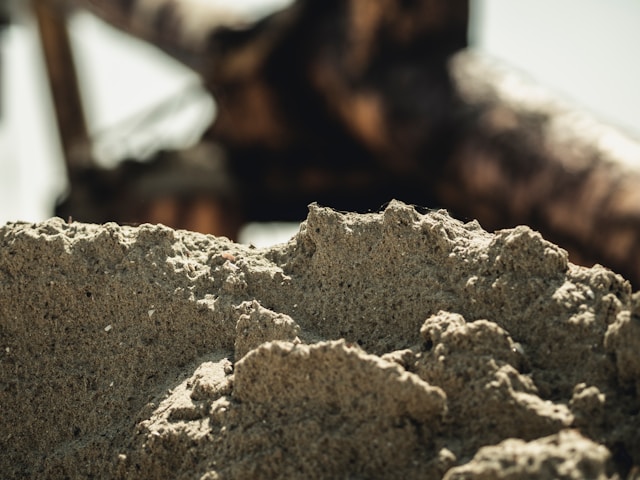
Lots of people still think of sand as one of the cheapest construction materials going. In some cases that is true. Standard construction sand usually costs somewhere between $25-$45 per tonne. But the moment a project gets a bit more complicated, the pricing just shoots up. And you know what really confuses people? They think “sand is sand, right?” Not exactly. The thing is, construction projects don’t just need “sand”, they need sand that’s got the right shape, texture, drainage & compaction performance. And this is the part most buyers never hear about until they’re frantically searching sand cost per m3 & blowing the budget. A fine decorative sand for landscaping behaves totally differently from a course builders’ sand. Silica sand behaves differently again. Some sands compact down nice & tight while others let water through. Some work perfectly under pavers while others create chaos months later. Suddenly that super cheap tonne isn’t always the smartest tonne to go for. And that makes all the difference to how you go about buying it.
The reason desert countries import sand, it’s actually kind of logical
We know what you’re thinking, “Saudi Arabia is literally covered in desert, so why on earth would it import sand from Australia for major construction projects?” It does sound a bit nutty at first. But when you think about it, the explanation reveals a pretty interesting thing about sand. Desert sand has been shaped by the wind for thousands of years, and that smooths out the grains to the point where they’re almost like tiny marbles. That may not sound like a big deal, but rounded grains just don’t hold together very well in concrete & large-scale building projects. Builders need angular grains because they stick together way better. So even though they have huge deserts, countries with massive infrastructure projects often need to import sand that performs differently under pressure. Australia has become one of the suppliers because certain Australian sands are more suitable for big construction projects. And that’s when it starts to dawn on a lot of people that, No, not all sand is interchangeable
Why that ton of sand always looks like not enough?
A single ton of sand sounds like a seriously big deal when you see it online. But then the delivery shows up. And suddenly that mountain of sand starts shrinking faster than you ever imagined it would. It’s always like that in landscaping and paving jobs because people tend to overestimate coverage by eye rather than actually doing the math. A standard ton of builder’s sand will cover about 12 square meters at 50 millimetres deep. That sounds a pretty decent amount. But depth is a game-changer. Adding a bit more depth to a paving base. Uneven ground in the backyard. A little extra material getting lost during levelling. Small adjustments here and there, all of these things add up quietly till the original estimate is no longer going to cut it. That’s why experienced contractors almost never just guess the quantities by eye. They know that small errors in depth across a big area can turn the entire material needed on its head. That’s also why people are searching for things like Sydney sand price per ton and 1 tonne Sydney sand, people are trying to get a read on what their project is really going to cost. And this is the point where a lot of DIY projects end up costing more than budgeted. Not because the sand itself is too pricey, just because underestimating how much you need end up causing delivery delays, extra transport costs, and wasted time from labour. And the pile of sand always seems to vanish faster than you expect.
Australia has to import sand too, and you wouldn’t guess it
Most Aussies think our local suppliers can handle everything but the truth is a bit different. Australia actually imports specific types of sand products, especially the silica and quartz sands used in industrial and manufacturing processes. Some of its coming from China, Greece, the States, Norway and Germany too. At first glance it might seem a bit unnecessary since we’ve got huge natural resources right here. But the truth is all down to material properties rather than how much is available. Different industries need very specific particle sizes and purity levels, which can be found in certain parts of the world and not in others. Glass manufacturing and filtration systems need a very specific type of sand, for example. And that creates a strange reality. Something that looks as ordinary as sand can actually be highly engineered depending on where it will be used. That changes everything about sand.
Most of the problems happen before the sand even arrives
Most of the problems don’t start after the sand gets here, they begin when were order it. People focus way too much on price per ton and completely ignore the actual application. That is until drainage fails, or pavers start shifting months later. It’s not always that the material is shoddy, the real issue is you just chose the wrong sand for the job. A landscaping project with drainage needs is going to behave totally differently to a compacted paving base, for instance. Fill sand is completely different from washed sand, and fine sand will spread differently to coarse sand. This is why many people searching for Paving sand near me become fast learners on just how different sand types can affect long term stability.
The one thing most people never even think about when they’re out of sand
Nobody ever stops to think about sand until they order too little, or pick the wrong type, or come to realise their “cheaper” sand has been creating a different sort of problem later on.