
Corporate gifting is a valuable way for businesses to express appreciation, strengthen professional relationships, and create positive impressions among clients, employees, and business partners. However, choosing a memorable gift requires more than selecting a collection of popular products and placing them in an attractive box. Creative corporate gift hampers allow businesses to combine thoughtful product choices, personalised details, and professional presentation to create a meaningful gifting experience. Whether celebrating a successful partnership, recognising employee achievements, or sharing festive greetings, a carefully designed hamper can communicate gratitude in a memorable way. By focusing on quality, relevance, and creativity, businesses can make their corporate gifts more engaging and strengthen the connections that contribute to long-term success.
Exploring Creative Ideas for Corporate Gift Hampers
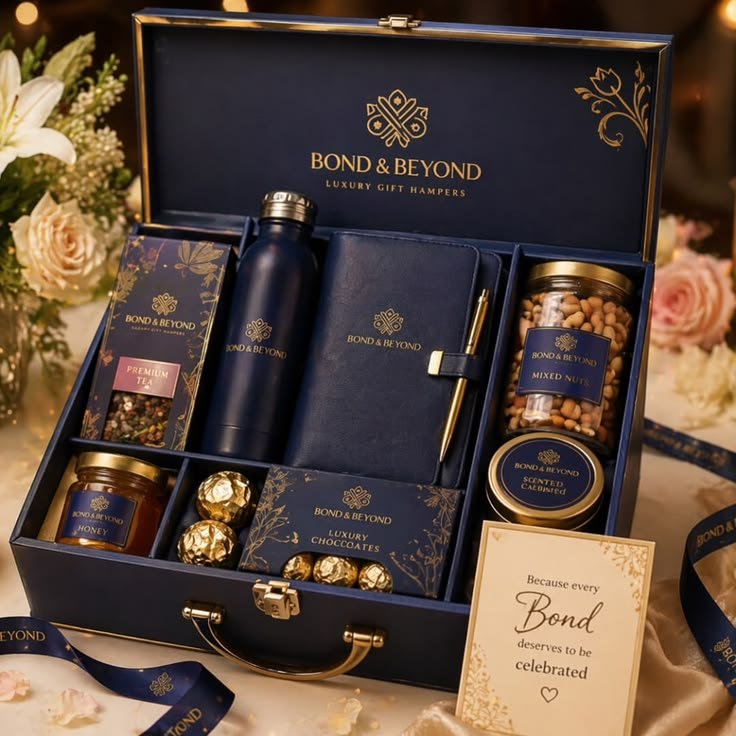
Creative corporate gift hampers provide an opportunity to move beyond traditional gifts and offer recipients something distinctive and enjoyable. Businesses can explore themes such as gourmet food, premium coffee, artisan chocolates, wellness products, office essentials, or locally produced goods. A themed hamper creates a cohesive experience by bringing together items that complement one another and suit a particular occasion. For example, a coffee-themed hamper might include speciality coffee beans, a reusable cup, biscuits, and a brewing accessory. A gourmet selection could feature artisan snacks, preserves, chocolates, and other premium treats that encourage recipients to enjoy a relaxing moment during their busy schedules.
The most effective hamper ideas are based on the needs and interests of the people receiving them. Businesses should consider whether their recipients would appreciate practical products, indulgent treats, sustainable items, or experiences that encourage relaxation. Seasonal themes can also make corporate hampers more relevant, particularly during Christmas, company anniversaries, and other important celebrations. For organisations working with diverse audiences, offering a small range of hamper styles can provide flexibility without making the ordering process complicated. By combining a clear theme with useful or enjoyable products, businesses can create gifts that feel carefully considered rather than generic.
Personalising Gifts to Create a Lasting Impression
Personalisation can transform a standard corporate hamper into a gift that feels more meaningful to the recipient. A handwritten note, customised gift card, or message recognising a specific achievement can communicate appreciation more directly than a generic greeting. Businesses may also personalise the hamper by selecting products that reflect a recipient’s known interests or professional relationship with the organisation. For example, a long-standing client might receive a premium selection of gourmet products, while an employee celebrating a milestone could receive a hamper designed around relaxation and personal enjoyment. These details demonstrate that the business has considered the recipient rather than treating gifting as a routine administrative task.
Branding can also be incorporated into personalised corporate hampers in a tasteful and professional manner. Custom ribbons, branded packaging, elegant gift tags, or reusable items featuring a company logo can help reinforce brand recognition. However, the overall presentation should prioritise the recipient’s experience instead of making the gift feel like an advertisement. A well-written message and high-quality contents are often more memorable than excessive promotional materials. Businesses should also ensure that personalised gifts remain appropriate to the nature of the relationship and any relevant workplace or client policies. When personalisation is thoughtful and understated, it can make corporate gifting feel more authentic while reinforcing a positive impression of the organisation.
Choosing Quality Products That Reflect Business Values
The quality of the products included in a corporate hamper strongly influences how the gift is perceived. Carefully selected items demonstrate attention to detail and help create an experience that feels valuable to the recipient. Businesses may choose artisan chocolates, premium teas, gourmet snacks, speciality coffee, luxury pantry products, or practical accessories that offer lasting usefulness. Combining products of different types can add variety, allowing recipients to discover something new while enjoying familiar favourites. Rather than filling a hamper with numerous inexpensive items, businesses can focus on a balanced selection that offers genuine quality and complements the chosen theme.
Corporate gift hampers can also reflect a company’s wider values, including sustainability, local sourcing, and responsible purchasing. Businesses may choose products from regional producers, reusable containers, recyclable packaging, or items made using more environmentally considerate materials. These choices can support local suppliers while demonstrating that the organisation considers the broader impact of its purchasing decisions. Dietary inclusivity is another important factor, particularly when gifts are distributed to large teams or diverse client groups. Offering suitable alternatives for different dietary preferences and clearly communicating product ingredients can help recipients feel considered. By selecting products that align with both recipient preferences and business values, companies can create corporate hampers that are thoughtful, practical, and professionally appropriate.
Designing Attractive and Professional Hamper Presentation
Presentation plays an important role in creating an enjoyable corporate gifting experience because it shapes the recipient’s first impression. An attractive hamper should have a coordinated appearance, with products arranged neatly and packaging that complements the occasion. Businesses can use premium boxes, reusable baskets, decorative tissue paper, or carefully selected wrapping materials to create a polished finish. The design should reflect the intended message, whether that involves festive celebration, professional appreciation, or recognition of a significant achievement. Thoughtful presentation helps even a relatively simple selection of products feel more special and demonstrates care in the preparation of the gift.
Practical considerations should remain part of the design process. Packaging needs to protect fragile products, prevent movement during delivery, and accommodate the dimensions and weight of the contents. Food hampers may require additional attention to storage conditions, freshness, and suitable handling, especially when deliveries travel long distances. Businesses sending gifts to multiple locations should also ensure that the packaging is durable enough for transport while remaining attractive when opened. A balance between visual appeal and functionality helps reduce waste and supports a positive recipient experience. When presentation is carefully planned, the hamper becomes a complete gifting experience rather than simply a collection of products.
Planning Corporate Gifting for Stronger Business Relationships
Successful corporate gifting begins with a clear plan that connects each hamper to a meaningful business purpose. Organisations should identify their intended recipients, establish an appropriate budget, choose suitable products, and determine when the gifts should be delivered. This planning is especially important during busy periods such as Christmas, when suppliers may experience high demand and delivery schedules can become limited. Ordering early allows businesses to compare available options, arrange personalisation, and resolve logistical issues before deadlines approach. A structured approach also makes it easier to maintain consistent quality across a large number of gifts without overlooking important details.
Corporate gift hampers can support stronger relationships when they are part of a broader commitment to appreciation and professional engagement. Businesses may use them to thank clients after a successful project, recognise employees for their contributions, welcome new partners, or celebrate important milestones. However, gifts should complement reliable service and open communication rather than serve as substitutes for genuine relationship management. Organisations should also review any applicable gift policies, particularly when sending hampers to clients or professional contacts in regulated industries. By ensuring that gifts are appropriate, timely, and sincerely presented, businesses can create positive experiences that reinforce trust and mutual respect. Over time, thoughtful gifting can become a meaningful part of a company’s approach to maintaining valuable professional connections.