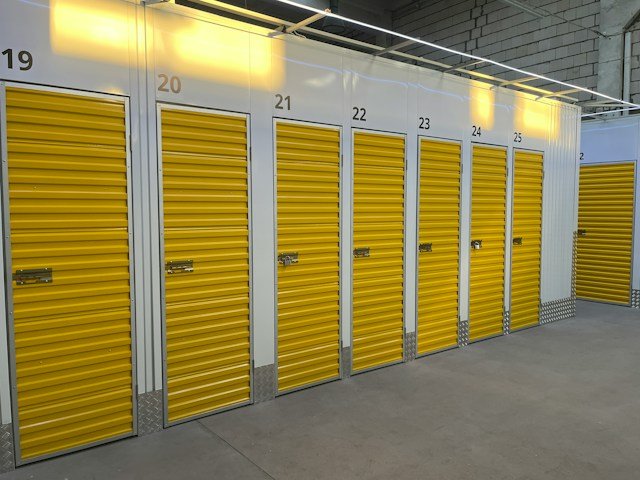
In mobile self-storage, a box will be taken to your property and you will pack your possessions over the weekend and return the same for storage. You will not have to use a van or make several trips to a storage facility or carry your boxes through long hallways. This may sound convenient, but the first quoted price may not always cover the total cost.
How Does Mobile Self Storage Work?
With cheap mobile self storage, the storage firm takes the portable box to the driveway or yard of the customer. The customer can start putting his/her things into the box at an appropriate speed. Once packing is finished, the box will be taken away by the company and transported to a safe storage centre. In certain conditions, the portable box can also stay at your property provided there is space and permission.
Once the stored possessions are needed, the storage firm can either bring back the box or let you access it at the storage centre.
What Does Really Affect Mobile Storage Costs?
The price you see advertised is usually for the container rental itself each month. But be aware, there are a lot of other costs to factor in:
- Delivery and collection fees based on how far they have to travel to get to you: These can really add up.
- Minimum storage periods, often a catch for short-term customers; if you only need it for a few weeks you may end up paying for more than you need.
- Container size: The bigger it is, the more you’ll pay, so getting the size right is key.
- Insurance: Sometimes included, sometimes an extra cost; check the fine print to see what you’re getting.
- Access fees: It’s not always free to go and get your stuff; some places might charge you a fee when you want to pick something up.
Two companies can have the same monthly price, but when you add up all the extras, one can end up costing you a lot more than the other. A cheaper monthly rate with huge delivery fees can actually be more expensive than a slightly pricier one that includes delivery.
Getting the Right Container Size
Choosing the right size of container for your storage needs is really important. If you go for one that’s too big, you’re basically paying for empty space each month. And if you go for one that’s too small, you might have to get another one or pay for an extra delivery which will just add to your costs.
It’s worth making a list of all your furniture, appliances, boxes and any other big items before you go and get a quote. This will give you a rough idea of how much space you’re going to need. Providers often have a rough guide to how much space you’ll need based on how many rooms you’re packing. Just remember to add a bit of breathing room for packing things neatly.
Where Is the Container Going to Live?
You might think a driveway is the obvious place to put your storage container, but some properties just can’t accommodate it. The delivery area needs to be level, easy for the truck to get to and have enough clearance for the container to be lifted or moved into place. If your driveway is steep or narrow, or if you’ve got trees hanging over it; forget it. Local rules can also throw up obstacles: you might need permission to put it on the street or nature strip, and strata-managed properties have their own rules to follow. Just check these things with the provider before you book, or you might find yourself stuck with a failed delivery or a fine.
Keeping Your Stuff Safe in Storage
Low-cost storage still needs to keep your stuff safe and dry. Mobile storage containers are generally okay in the rain, but your belongings can still get damaged by damp, heat and pests. Mattresses, books and timber furniture are especially at risk.
There are a few simple things you can do to reduce the risks:
- Make sure your stuff is clean and dry before you store it.
- Use pallets or stands to get your items off the floor of the container.
- Cover your furniture with something breathable, not tightly sealed plastic.
- Leave a bit of space between items to keep air circulating.
And don’t forget to check the small print on the insurance policy; the provider might have limits on what they’ll pay out, or they might not cover certain items at all. Your own contents insurance might not cover your goods in storage either, so just make sure to check with your insurer first.
Advantages of Mobile Storage as Compared to Traditional Storage Units
In case one needs constant access to his/her stuff, traditional storage units could be suitable for him/her. The stuff will stay in one place and can be accessed whenever the facility is open. Mobile storage is better for people who want to pack at home and let the company transport the containers.
The cost must consider labour, not only the rental fee. Moving, loading, unloading and even van hire might be necessary with the traditional storage.
Things to Know About the Storage Agreement
The terms in the storage contract will determine the cost. One needs to find out about the length of the notice needed to terminate the agreement, late fees, as well as price increases after the introductory period. It is also important to find out about the prohibited items. Generally, flammable, perishable and illegal goods are prohibited.
A written quote that specifies all costs is better than a verbal estimate. One also needs to know what will happen in case the move gets delayed because additional storage weeks will add to the overall cost.