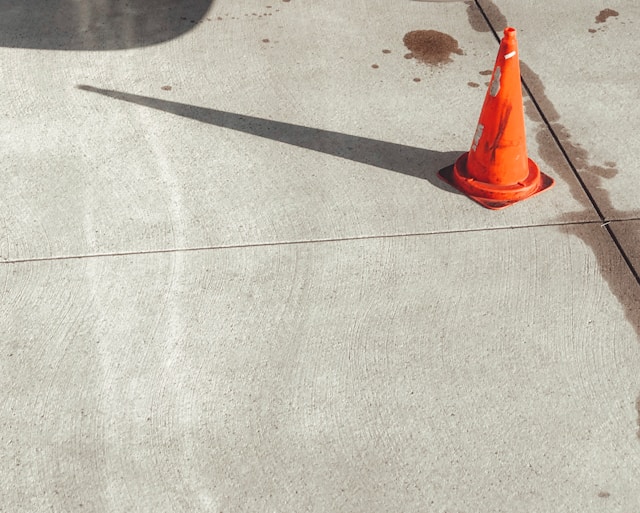
Most people searching for a really effective concrete cleaner tend to think the hardest part of the job is getting the stain out of the concrete. Wrong. The real problem starts after you’ve cleaned it, when the concrete starts looking worse than it did before. At first it all seems fine. Your driveway looks brighter, the patio feels cleaner, and the marks have disappeared, at least for a while. A few days go by and then, suddenly, the stains come back, the surface starts looking patchy, and the concrete seems to be attracting dirt like a magnet. That’s the bit nobody expects.

Why some of these so-called “good” cleaners become a bigger problem?
We all want to find the strongest cleaner we can, don’t we? It sounds logical until you see what these harsh chemicals can really do over time. Vinegar and baking soda are often recommended because they seem safer and more natural. Bleach and detergents are popular because they can get rid of visible stains fast. Acid washing is often seen as the heavy-duty concrete cleaner solution when nothing else works. But here’s the thing most people miss. The stronger the cleaner, the more careful you need to be with the concrete itself. Acid based products like muriatic acid can strip away contamination in no time, but they can also weaken the surface if you’re not careful. And the rougher the concrete becomes, the more dirt it’s going to trap later on. What feels like a deep clean can sometimes create a cycle where the concrete just gets dirtier and dirtier. Even polished concrete reacts badly to aggressive chemicals. Ammonia, bleach, vinegar and acidic cleaners can slowly break down the finish, causing discoloration and dull patches that are a real pain to deal with. That’s why professionals don’t just use one method anymore when choosing the best concrete cleaner Australia that property owners can safely use in the long term.
What real professionals do differently?
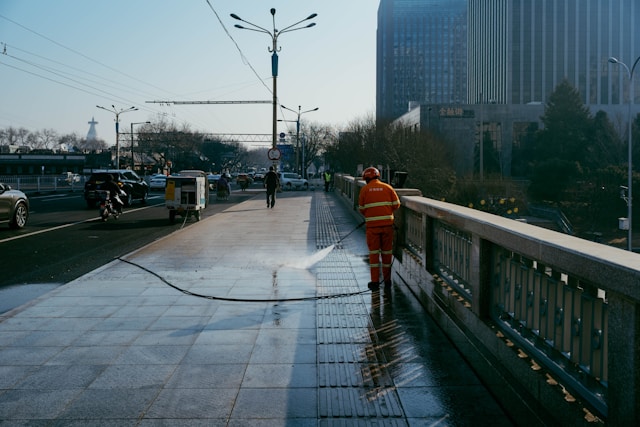
Most people picture a pro concrete cleaner blasting away a driveway with a pressure washer, and yeah, that does happen but it’s only part of the job. Professionals generally approach concrete in a different way depending on what’s caused the stain, oil contamination has one set of rules, rust has another, slurry residue yet another and tyre marks yet another. It’s all about the surface. It’s not just about force, you also have to understand the surface itself. Sometimes power washing works best because the dirt is just sitting loose on top, other times you need to get out the elbow grease because the contaminants are stuck like glue. Dry ice blasting is useful in industrial situations where moisture is creating problems. Chemical cleaners get used carefully because sometimes they’re just not needed. The surprising thing is that experienced cleaners often spend way more time trying to control the damage than actually removing the stain. Once concrete starts deteriorating, cleaning just gets harder and harder with each passing year.
The real culprit: it’s not just dirt
We all get told it’s the stains, mud or oil that’s making your concrete look old. But the real enemy is water. We’re not talking about the stuff that’s visible on the surface either, it’s the water that’s seeping in through tiny cracks and pores that causes most of the damage. Once water gets in it carries contaminants deeper into the concrete. In colder climates, trapped water can even expand and weaken the structure from the inside out. And even in warmer climates, moisture pulls mineral salts up through the slab creating that awful chalky white residue everyone struggles with. This is why some concrete just never stays clean no matter how often you wash it, even if you’re using a strong driveway cleaner.
The acid washing trap most people don’t learn until it’s too late
Acid washing might sound straightforward online, just mix some muriatic acid with water, apply it and wait a few minutes, then rinse. But the surface doesn’t always react nicely. Used carefully, acid washing can get rid of stubborn stains and prep the concrete for sealing. But used aggressively, it can etch the surface, mess up the nearby materials and make the long-term wear even worse. Which totally changes the conversation around concrete cleaner solutions.
Why old concrete never goes back to how it used to be?
A lot of people want to know how to get old concrete looking new again. Bleach solutions, pressure washing and scrubbing can do some good, especially on patios and outdoor surfaces. But the problem is that concrete rarely goes back to its original condition because the issue is usually deeper than just the surface colour. That’s something people often find out the hard way after repeatedly using the wrong cleaning methods.
The truth nobody talks about
Concrete doesn’t just suddenly fail overnight. It gradually becomes harder to clean, harder to protect and easier to damage. And you know what’s weird? A lot of the cleaning mistakes start with good intentions. People just get a bit carried away and end up making the problem worse.