You’d think once someone’s completed a confined space refresher course, they’re good for years, that’s what most workers believe, right up until a site supervisor asks for the up to date competency proof and suddenly that old certificate just isn’t enough anymore. What catches people off guard isn’t actually the training itself, but how quickly the safety habits just start to fade in as work becomes routine.
“Look I’ve done this loads of times”
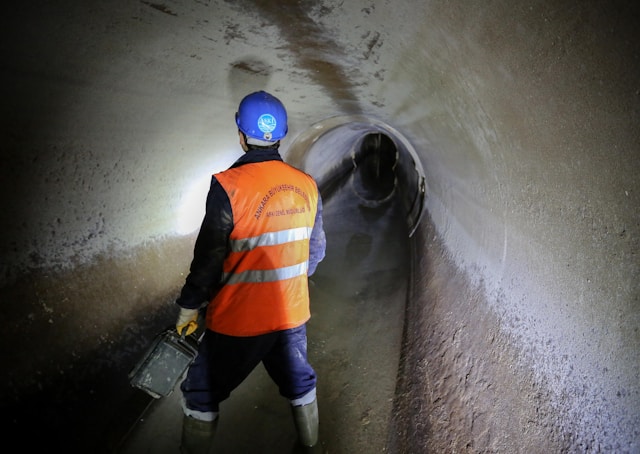
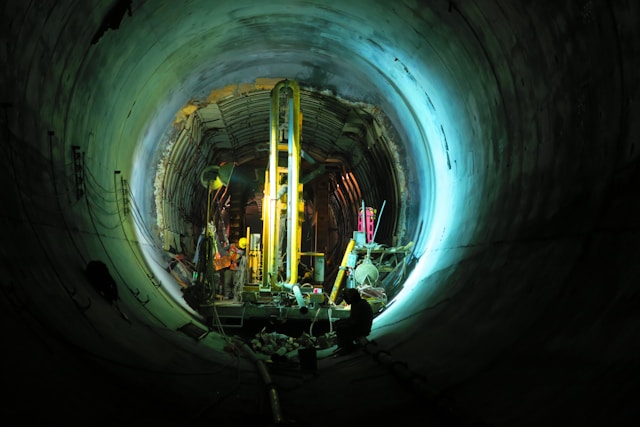
That’s usually how the conversation starts Someone’s worked on shutdowns for years, gone into tanks, pits, silos, underground vaults, maybe even done some rescue standby work. So, when refresher training comes around again the first reaction is usually frustration. But confined space work has a sneaky way of tricking experienced workers, the more familiar the environment becomes the easier it is to overlook small changes that can turn dangerous in the blink of an eye. You start to get complacent with things that might seem obvious at first like a ventilation issue or a failed gas reading or a mistake with isolations or even just a slower than usual emergency response can all escalate quicker than most people will have you believe. And that’s exactly why refresher courses exist, it’s not because workers are inexperienced, but because confidence sometimes grows faster than awareness.
The part most workers never spot
Here’s the thing, most people assume confined space certification has a fixed expiry date. But actually, nationally recognised competency units don’t always “expire” in a legal sense. What usually happens is industries rarely work like that in practice. Mining, construction, utilities and industrial sites often expect confined space refresher training every two years or even annually depending on the environment and company policy. At first it can feel a bit excessive, but then you look at how fast procedures, permit systems and hazard controls are changing on modern worksites. It starts to make more sense. It’s not just about ticking the compliance boxes anymore, it’s about whether the workers still know what to do when the pressure is on, it’s not about whether they passed a course five years ago.
The course may be short but that’s not the point
A lot of workers expect refresher training to drag on for days, but it usually doesn’t. Some confined space refresher course programs can be completed in as little as two to four hours, practical ones are usually done in a day. On paper that’s pretty simple. But what the short duration hides is what the training is really trying to do. The goal is not to reteach everything from the start, it’s more like resetting your attention. Think of it as sharpening instincts that have become a bit dull after years of working on the same sites.
When workers finally start paying attention again?
You usually spot the shift halfway through those practical sessions, don’t you? At first people just go through the motions, run through the gas detector checks, review the permits, recite the entry procedures, and go through the drills on communication protocols, it’s all so routine. Then something gives. Someone misses a step along the way. Maybe they overlooked a hazard in a risk assessment that should have screamed out at them, maybe they assumed they could get by with just a glance of atmospheric monitoring instead of actually checking it, or maybe they just rushed through the emergency procedures because it all seemed so familiar.
Why gas hazards continue to catch experienced workers off guard?
For everyone outside of industrial work, confined spaces are basically thought of as a physical trap, narrow tunnels, underground chambers, and tight escapes. But for those who’ve spent real time around confined space operations, the atmosphere is often the real threat. Low oxygen levels, toxic gases, chemical vapours, and all sorts of airborne contaminants don’t exactly shout “Danger!” in fact, they often don’t give you any warning at all. Over time that just creates a serious danger. If the last entry was safe, people can start to unconsciously expect the next one to be safe too, without so much as double checking. But confined environments are just weird, conditions can shift in a heartbeat because of something going down off site, temperature changes, equipment leaks, years of residue building up, bad ventilation… You get the idea. That’s why refresher training is so valuable, it forces workers to shift from ‘this will do’ to actually verifying. And when it comes to confined spaces, that tiny mental shift can be the difference between life and death.
The secret reason workers keep coming back for refresher training
Not a lot of people openly talk about this but there’s another reason worker keep coming back for these updates: things are getting a lot tighter on sites. Contractors are facing stricter onboarding requirements, shutdown projects are demanding that workers are all up to speed on modern safety expectations, the old ways just don’t cut it anymore. And supervisors want proof that workers can actually meet current guidelines. In a way, refresher training is quietly linked to employability too, just like it or not.
Not every refresher training program is the same thing
Some refresher courses are super theoretical, all theory and no practice. Others really drill down into the practical stuff, like gas testing, emergency simulations, and permits. You’d assume that all refresher programs are the same but they’re not. The better ones are the ones that feel more like a welcoming wakeup call than a boring classroom session. They reconnect the worker with the pressure, sequencing and discipline that’s needed to do confined space work safely.
The only reason refresher training actually exists
Most people think confined space refresher courses are just a regulatory thing, “we have to do this”. But the real reason people keep coming back is that over time, the routine starts to get a bit too comfortable. Tasks start to feel safer than they actually are, attention fades, and procedures become second nature. And small shortcuts that used to feel like no big deal start to feel a lot riskier than they actually are.