You probably don’t stop to think about a fire sprinkler system until disaster strikes. Which is exactly why so many building owners get caught off guard, they assume the system just sitting there above the ceiling is always going to work. But here’s the thing, lots of systems which look fine on paper still carry hidden risks that nobody tends to notice until an actual emergency hit. And then it’s too late to start worrying about whether the system was put together properly, looked after properly, or even if it was suitable for the building in the first place.
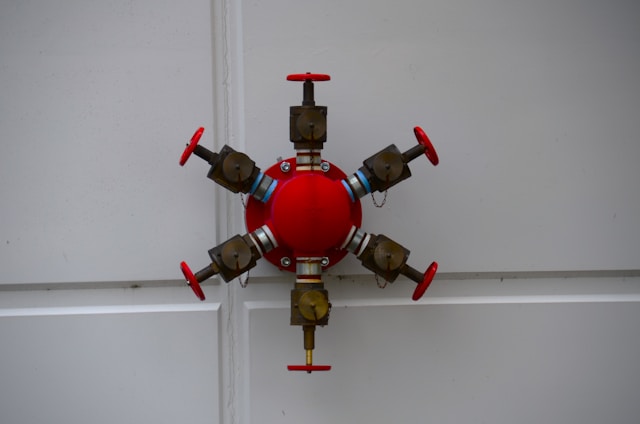
The conversation usually starts after a failed inspection
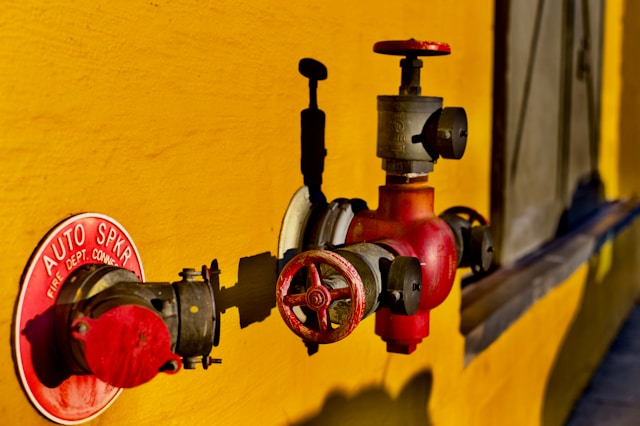
It often starts with something silly. A routine bit of safety checking. A sprinkler head that’s been clogged up. Pressure inconsistencies. Sometimes it’s a load of old maintenance records. Other times it’s because someone notices that the storage is piling up right next to the sprinklers inside a warehouse. At first these things seem like nothing to worry about. Easy to overlook. But that’s where things get complicated when it comes to fire sprinkler systems Australia. A sprinkler system isn’t just a pipe with water just waiting for the heat. Every bit of the set up relies on spacing, pressure, positioning and regular maintenance all coming together at exactly the right moment. That’s why fire sprinkler system Australian Standard requirements exist in the first place.
The rulebook everyone never takes the time to read
In Australia, AS 2118.1-2017 sets out the rules for designing, installing and looking after sprinkler systems in different buildings. Sounds pretty straightforward, but the real issue is that most people don’t even know it exists. And even if you do know it exists, understanding how things go wrong when systems slowly start to drift away from those requirements over time is a completely different thing. A building may have passed all the checks when it was first installed and still be developing risks years later through renovations, poor maintenance or a change in how the building is used.
Four systems, each doing a completely different job
Imagine walking around in four different buildings, a shop centre, a cold storage warehouse, a data room or a student accommodation block. All of them probably have sprinklers overhead, yet the systems that are protecting them can operate in completely different ways. Wet pipe systems are the most common because, water is just sitting inside the pipes waiting to go off the moment a sprinkler head gets triggered. Simple and quick. Dry pipe systems work a bit differently. Water is held back and the pipes contain pressurised air instead. These are usually installed in places where the temperature is very cold and would mess up standard systems. Deluge systems are built for high risk environments where fires can get out of control quick smart. Instead of just one sprinkler head going off at a time, the whole system lets go of water at once. Pre-action systems add another layer of control. They are used in places where accidental water damage could be a real disaster, such as server rooms or archives. And then a lot of people pause for a sec and think: “Oh. They’re a lot more complex than I thought”, Because choosing the wrong system is not just a waste of time, it can completely change the way a fire behaves inside a building. Which is also why many property owners start digging into What are the different types of fire sprinklers before choosing to upgrade or re design their protection systems.
The tiny measurement that can turn a disaster
Now that we get to the part most people only find out about when an inspector points it out. The “18-inch rule”. Sounds simple, but its impact is anything but. Nothing should sit within 18 inches of the sprinkler deflector. And yet in real life, people keep making this mistake, stacking inventory, building storage shelves, placing equipment, or renovating without thinking about it. The reason it matters is more important than the rule itself. Sprinklers are designed to spread water in a very precise pattern. So, when objects block that spray path, the water can’t spread properly. And that means areas that should have been protected don’t get the protection they need, and end up with reduced coverage. Then there’s another rule inspector often mention, the “three times rule”. If there’s an obstruction near the sprinkler, the sprinkler needs to be at least three times the size of the obstruction away from it. Most people think these measurements are a bit excessive when they first hear them. It’s only when they think about just how much of a difference it can make to fire sprinkler system performance that they realize that requirements for a fire sprinkler system are all about tiny details that can make a huge difference to how well it works. Just a few inches can completely alter the way a sprinkler system performs.
The part nobody thinks about until it’s too late
This is where the conversation usually gets turned on its head. People will spend a fortune on installing a fire sprinkler system, then slowly start to underestimate just how much maintenance it needs. And that’s where AS1851 comes in. This is because fire systems naturally degrade over time, which is exactly why this standard exists. The standard outlines what you need to do in terms of inspection, testing and maintenance for fire protection systems across Australia. And it’s here that a lot of hidden problems start to show up. Valves get stuck. Internal pipe corrosion develops silently. Sprinkler heads get clogged with dust or damaged. And pressure problems can sneak up on you gradually. At first glance, it’s hard to see what’s going wrong, because the system still looks fine. That’s why these issues can become so deadly. Because fire systems are a bit weird, they can look perfectly fine for years while slowly becoming less reliable underneath.
Not every fire system stays focused on sprinklers
Most buildings end up layering protection systems together at some point. That’s where AS2444 comes into play. This standard is all about the right equipment for portable fire extinguishers and fire blankets, and making sure they’re placed in the right spot for the specific fire risks in each building. And suddenly it all starts to make more sense. Fire safety isn’t just about one piece of equipment. It’s about the whole system, sprinklers, alarms, extinguishers, smoke detection, pressure systems, evacuation planning. Every component is there because fires don’t always behave predictably. Even building height changes the conversation. If you’ve got an apartment building that’s a certain height or higher, you might need sprinkler protection throughout the whole structure because evacuation gets a lot harder as buildings get taller. Some building owners in low-risk areas even look at fire sprinkler system alternatives, although even those still have to meet the same strict fire safety rules in Australia.