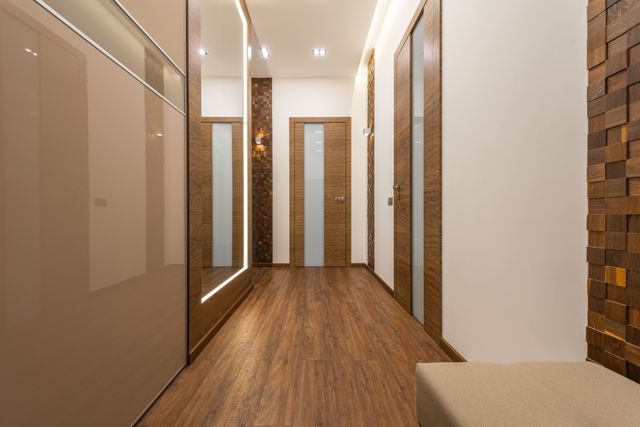
Steel and composite materials have increasingly found their way into Australian home construction; however, wooden doors have managed to maintain their relevance in the market. According to statistics provided by the Australian Bureau of Statistics, detached houses constitute more than 70% of all the buildings across the nation, and in such low-rise buildings, wood has remained relevant in making door and window frames since it insulates well, offers durability, and is the preferred aesthetic finish. This trend has led to more Australians searching for door and window types such as timber entry doors Melbourne.
Strong Thermal Insulation That Changes Everyday Living
No feature comes to mind quicker than the natural tendency of wood to reduce heat transfer. As compared to aluminium and steel, much less heat is transferred via the surface of wood. According to research findings of Forest and Wood Products Australia, wood can transfer heat up to 1,800 times slower as compared to aluminium, providing a considerable margin of difference that is noticeable even within regular indoor life. This translates into more constant temperatures throughout all seasons, since wood does not allow too much of heat transfer through its surface. The climate in Australia is known for its great changes in temperature in different seasons. Some places reach over 40°C in summer, and others go down below 5°C in winter. It goes without saying that heat efficiency becomes a matter of energy consumption as well. According to Your Home of the Australian Government, almost 40% of household energy is spent on heating and cooling. When solid wood doors are tightly closed, there is no leakage of heat through gaps and cracks.
Built to Last Through Years of Daily Use
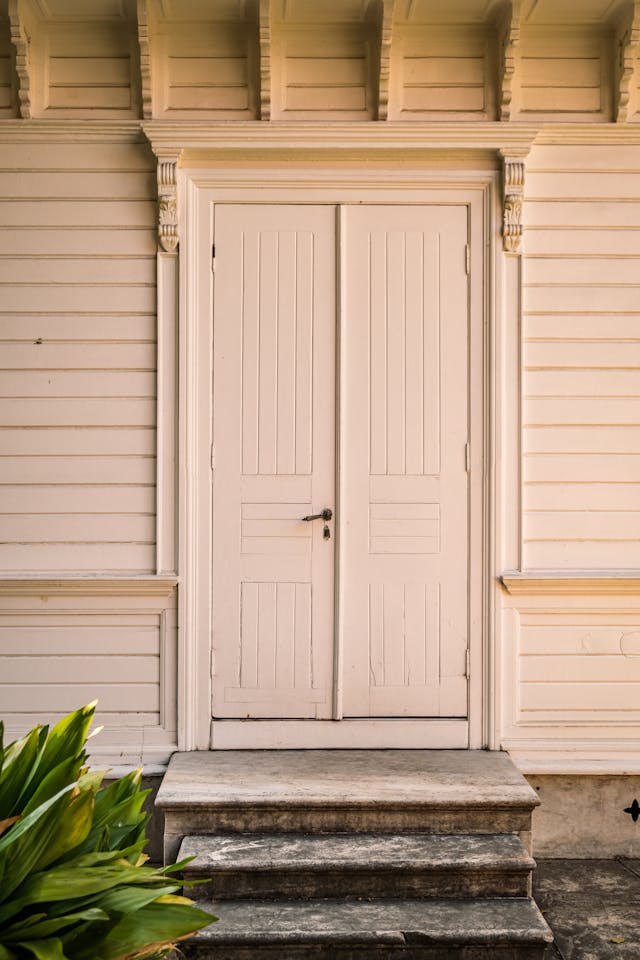
Engineered timber doors are designed to withstand the tests of weather conditions and regular usage in case of proper maintenance by the homeowners. The Australian species like Blackbutt, Spotted Gum, Jarrah, and Tasmanian Oak have tightly packed grains that offer protection against blows and retain shape despite changes in weather. According to statistics on the Janka hardness test, Jarrah is rated at around 8.5 kN, making it much harder than numerous imports of softwoods employed for cheaper alternatives. Moreover, sealants and protective treatments allow timber doors to resist alterations in climate without deteriorating quickly. Timber doors typically fare better against frequent usage than plastic and hollow counterparts that can dent and become misshapen over time. Reliable reports from the industry indicate that timber doors can easily last more than three decades.
The Effect Timber Doors Have on Property Value
Property experts are increasingly associating the visual attractiveness of streets with better values for homes when sold on resale. Timber entry doors give the impression that the building is of superior design as their texture is considered naturally appealing and can fit in any architectural style easily. In a report released by the Housing Industry Association, it was found that the outside look of houses had a great influence on buyers’ perception during property assessment even before going in. Steel and fibreglass products have a manufactured texture and hence tend to be uniform whereas timber is natural and differs in appearance each time. In Australia, many houses today incorporate elements such as rendered walls, stones, and timber to make modern architectures warm.
Why Timber Continues to Matter in Sustainable Construction?
Compared to other construction materials, timber is one of the few that can be classified as renewable provided that forest management is sustainable. Timber certified by institutions such as the Forest Stewardship Council and PEFC Australia typically has less embedded carbon compared to materials extracted from and processed through the manufacture of steel and aluminium. Studies conducted by the University of Melbourne together with Forest and Wood Products Australia reveal that timber products continue to store carbon captured from trees during their growth process. Up to one metric ton of carbon dioxide equivalents is retained within one cubic metre of timber. On the other hand, the extraction and processing of steel and concrete cause more emissions into the environment, thus putting construction companies under pressure to look for alternatives with less carbon footprint.
Custom Design Options That Suit Different Homes
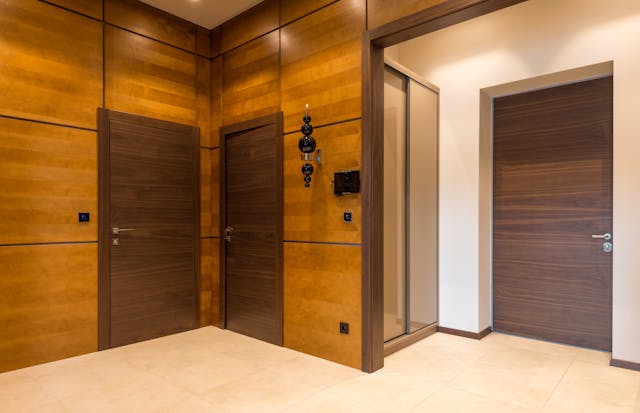
Few materials have as much flexibility for designers as timber doors do. The size of doors, their glazing arrangements, staining colours, surface finishes, and carving designs can be adjusted according to the style of homes, whether these houses are old period residences or new constructions. Flexibility is important because it means that designers can construct entrance door systems suitable for any kind of house while preserving structural integrity. Often, bespoke timber doors tend to be more expensive when initially purchased; however, most people believe that there is a direct relationship between a better product and its higher price. Entry timber doors begin at around AUD 1,000 to AUD 2,000 in Australia, while customized timber door systems may cost above AUD 8,000. Despite their high costs, timber doors are considered an integral part of a house instead of a decorative item meant to be replaced soon.