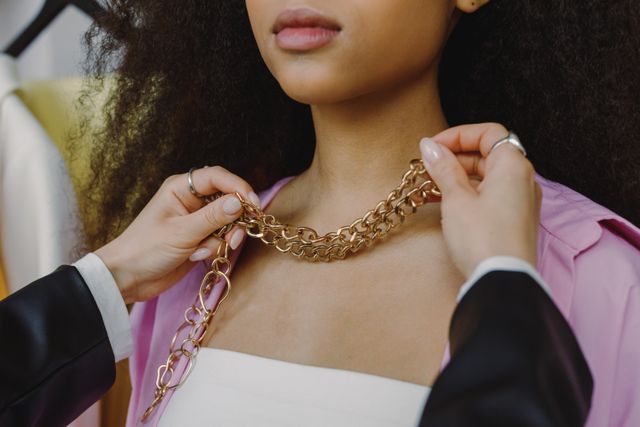
Gold chains have a habit of sticking around long after people stop wearing them. They sit in jewellery boxes, bedside drawers, bathroom cabinets, old gift boxes, or the little zip pouch from a jeweller you haven’t thought about in years. Sometimes they’re broken. Sometimes they’re tangled beyond patience. Sometimes they’re perfectly wearable, but just not your style anymore.
That’s why selling gold chains in Melbourne can be worth looking into if you’ve got pieces at home that aren’t doing anything except taking up space. A chain may seem simple compared with a ring or gemstone piece, but there are still a few things that can affect how it’s assessed and what kind of offer you might receive.
Not all gold chains are made the same
At first glance, two gold chains can look similar enough. Put them on a scale, though, and test their purity, and the difference can be significant. A solid 18k chain will usually be valued differently from a 9k hollow chain, even if they look close in size. Weight matters, but purity matters just as much.
The style of the chain can also play a role. Rope chains, curb chains, Figaro chains, box chains, and snake chains can all be made in different thicknesses and structures. Some are solid, some are hollow, and some include clasps or sections made from slightly different materials. A good assessment should take these details into account rather than treating every chain as if it’s identical.

Broken doesn’t always mean worthless
One of the nice things about gold is that it can still hold value even when the jewellery itself isn’t wearable anymore. A snapped clasp, kinked section, stretched link, or missing fastener may make a chain impractical to wear, but the gold content can still be valuable.
That’s often a relief for people who’ve been hanging onto broken jewellery because they assumed it wasn’t worth selling. In many cases, the condition affects whether the chain can be resold as jewellery, but it doesn’t erase the value of the metal itself. If the piece is being assessed mainly for gold content, damage may matter less than you expect.
Check for stamps, but don’t rely on them completely
Most gold chains have a small stamp somewhere near the clasp, usually showing marks like 9k, 14k, 18k, 375, 585, or 750. These markings can give you a helpful starting point, although they’re not always easy to read, especially on older chains or pieces that have seen a lot of wear.
There’s also the chance that a clasp has been replaced at some point, which can complicate things if the clasp and chain aren’t the same purity. That’s why proper testing is important. A buyer should be able to check the piece and explain what they’ve found without making the process feel rushed.

Think twice before selling sentimental pieces
Chains are often gifts, inheritances, or reminders of a particular period in life, so it’s worth taking a moment before handing one over. If a chain has emotional value and you’re unsure, don’t sell it just because it’s in the pile. Separate the pieces you’re comfortable parting with from the ones you may want to keep.
For everything else, selling can be a practical way to turn unused jewellery into money you can actually use. The key is to understand what you have, ask how the chain is being valued, and make sure the offer reflects its weight, purity, and current gold value.
An old gold chain might not suit your wardrobe anymore, but that doesn’t mean it has stopped being valuable.