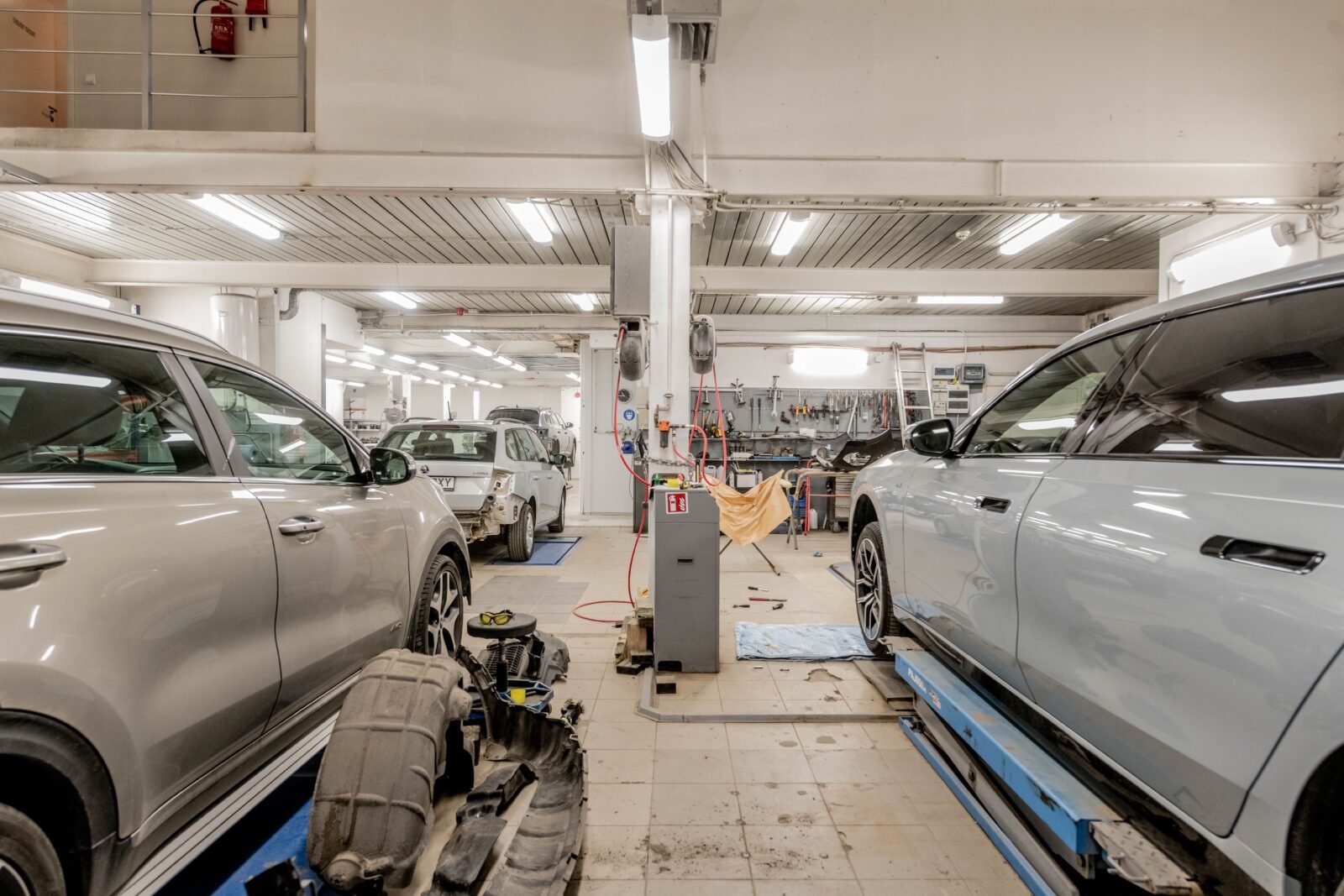
Working without the necessary licence in NSW is punishable by a fine of $5,500 or prosecution that may lead to imprisonment for a maximum term of $110,000. Currently, the Motor Dealers and Repairers Compensation Fund provides coverage of up to $100,000 per claim, compared to the previous maximum of $40,000. In both cases, it is clear how extensively the laws regulate the industry. When evaluating the quality of repair services in Hornsby, it is almost as essential to consider the documentation.
Licences Needed
A licence is required for the premises, and a tradesperson certificate is required for the tradesperson who performs the repair service. Almost all repair services at smash repairs Hornsby can be performed only in a licensed premises. Every employer must make sure that all employees have the appropriate certificate. Additionally, apprentices require supervision from a tradesperson certificate holder in a certain class.
The employer is liable to pay a penalty of $550 or be prosecuted for making the worker perform a task without the appropriate certificate for a maximum amount of $5,500. Clients can ask for a licence to be presented if it is not shown on the premises. A proper repairer is willing to provide documentation if it is kept properly.
Changes Since 1 September 2025
The new Motor Dealers and Repairers Regulation 2025 has come into force on 1 September 2025. The new qualification requirements for the tradesperson certificate have been stated in the notice issued by the Fair Trading Commissioner. Furthermore, the record-keeping requirements have been made less restrictive and repairers can use any format to keep their records.
The Written Quote Forms Part Of The Contract
A price agreed on before the repair gets underway is pretty much nailed down as part of the contract, and generally applies to both parties. A written quote should spell out the parts, labour costs and estimated time to finish the job. If a warranty is included in the contract, its conditions should definitely appear on the invoice.
The repairer can only carry out work that the vehicle owner has ticked off and approved. If any damage appears after they’ve stripped off the panels, the owner should be told before the repair cost goes up. It’s a good idea to agree on the payment method before any work begins.
Insurance Repairs and Your Choice of Workshop
Insurance repairs bring their own set of rules into play. Some policies direct customers towards preferred repairers, but the policy wording explains how much wiggle room the customer has when it comes to choosing a workshop. When the customer picks their own repairer, the insurer may need to give the go-ahead before the work starts.
It’s worth getting a clear picture of how the insurer’s approval, the repair quote and the repairer’s warranty all fit together before you give the green light to start work. Also get confirmation of who is accountable if a repair turns out to be a dud after the vehicle has been collected.
Diagnosis Fees and the Right to Keep a Vehicle
There are some repair costs that can sneak up on vehicle owners and take them by surprise. You might still have to pay a diagnosis fee even if you decide not to go ahead with the repair. You are still on the hook for the bill even if you handed the vehicle over to someone else.
If the bill stays unpaid, the repairer may be able to hold onto the vehicle under a possessory lien. The police can’t order the repairer to let the vehicle go, but a court can. Getting all the terms and charges sorted out before handing over the vehicle can help avoid a whole lot of these sorts of disputes.
What Happens When Something Goes Wrong?
Just because you pay a disputed bill doesn’t automatically take away your right to complain. NSW Fair Trading can take a closer look and determine whether the repair charge was fair. A complaint should include the vehicle details and any relevant quotes, reports or invoices that might be relevant.
The compensation fund is a last line of defence. Before you can make a claim, you need to have taken all reasonable steps to recover the loss from the repairer. This might involve taking the matter to court or tribunal. The fund can cover repair work that wasn’t done competently and losses involving a repairer who isn’t trading anymore.
The fund doesn’t cover losses that are a result of death or injury, or losses that involve property other than the vehicle, or the costs of making a claim. The $100,000 limit is the max available; it’s not a guaranteed payment. The fund isn’t a warranty or a general insurance policy. Claims need to be submitted within 18 months of the loss or within 12 months of a court or tribunal decision.