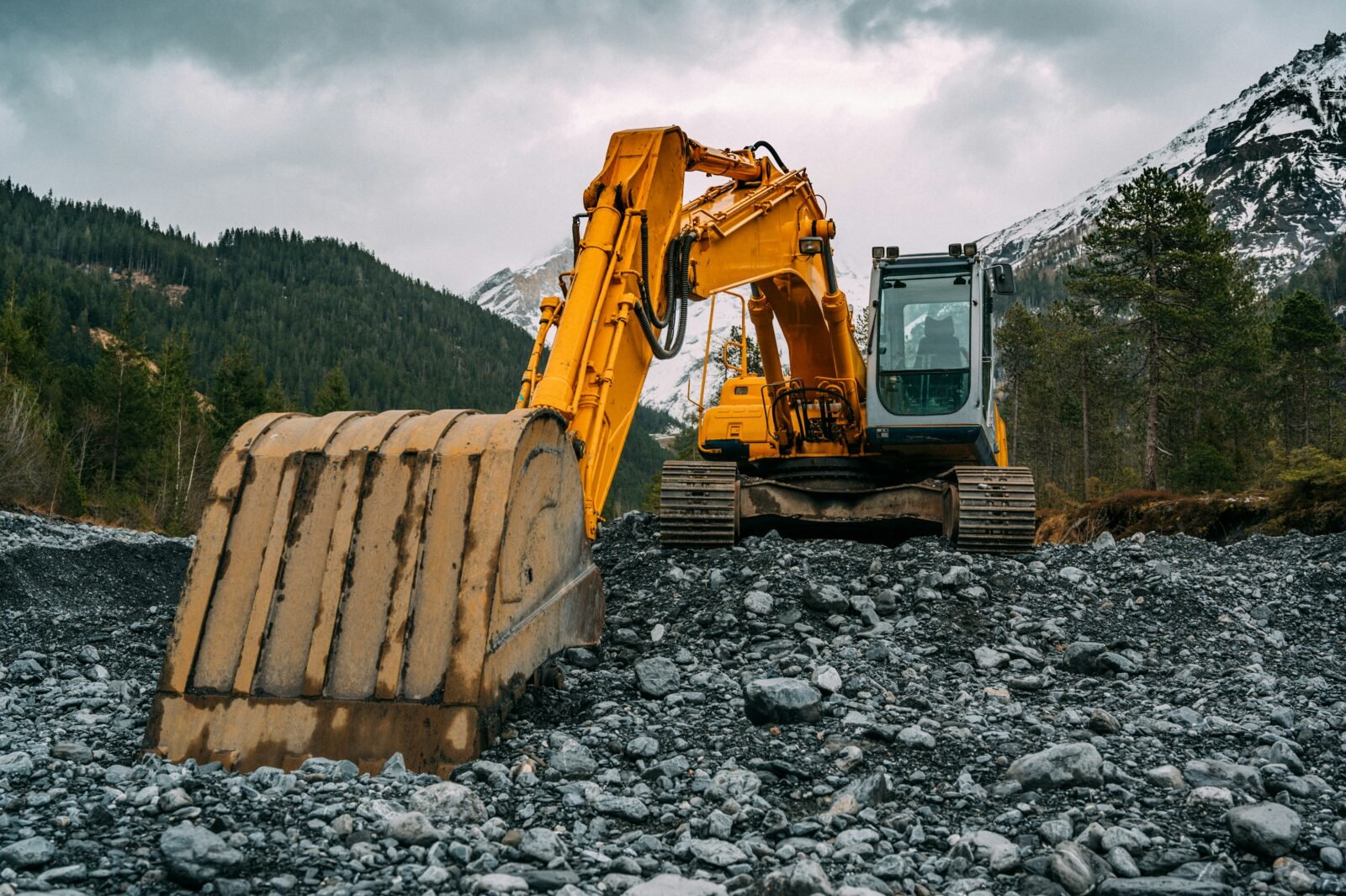
Understanding ground conditions is one of the most important steps in planning efficient trenching and excavation work. Soil composition, moisture levels, groundwater presence, and the stability of surrounding ground can all influence the excavation method, equipment requirements, and project timeline. Sandy soil, clay, gravel, and rocky ground each behave differently during excavation, so contractors should assess the site carefully before selecting machinery or deciding how the work will proceed. A thorough initial assessment helps identify potential challenges and reduces the likelihood of unexpected delays during construction.
Site investigations may include reviewing geotechnical reports, checking existing ground levels, and identifying areas where soil conditions may change. Contractors should also consider nearby buildings, roads, retaining walls, and other structures that could be affected by excavation activities. Where groundwater is present, appropriate drainage or dewatering measures may be necessary to maintain workable conditions and protect the excavation from flooding. Understanding the site’s physical characteristics allows project teams to choose suitable excavation equipment, estimate material removal requirements, and plan the work more accurately. Taking these steps before machinery arrives can improve productivity, support safe working conditions, and reduce the risk of expensive complications.
Select the Right Equipment for the Job
Choosing suitable equipment can significantly influence the speed, accuracy, and cost of trenching and excavation projects. The best choice depends on trench dimensions, excavation depth, soil type, site access, the quantity of material to be removed, and the presence of underground utilities. Resources available through https://sunstatepipelines.com.au/ can help contractors explore equipment options for their projects. Using equipment that is too small may extend working hours, while oversized machinery can be difficult to manoeuvre in confined spaces and may increase operating costs. Matching the equipment to the project requirements helps maintain an efficient workflow without compromising precision or safety.
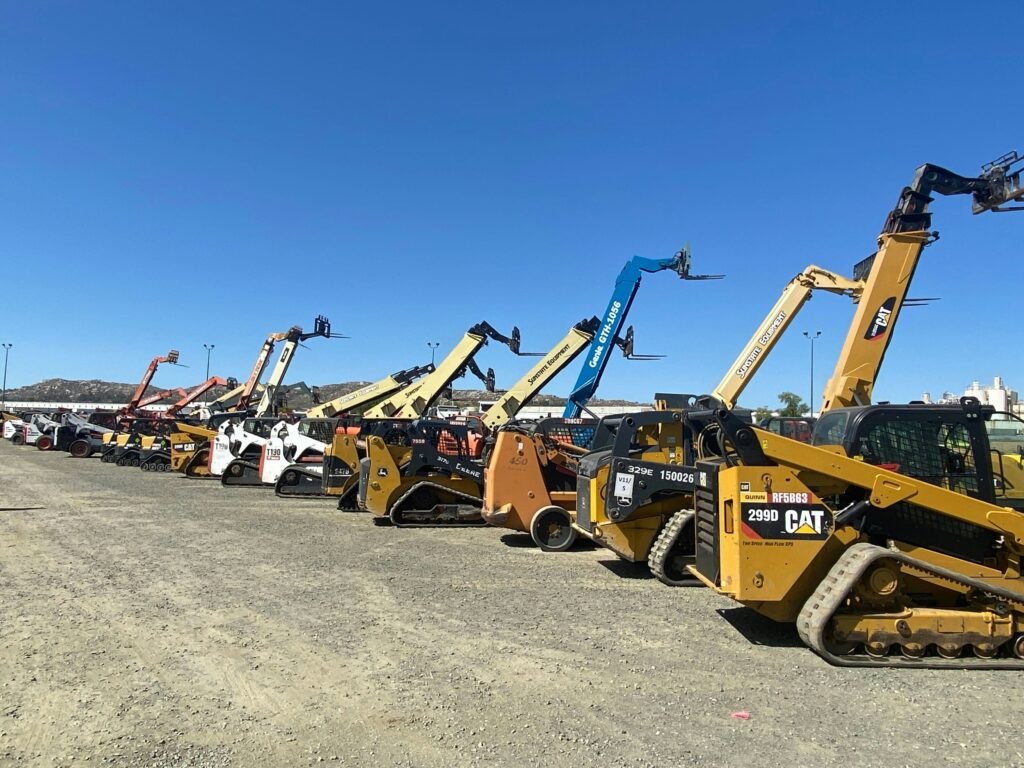
Mini excavators are often suitable for residential construction, landscaping, and utility installation in restricted areas. Larger excavators are more appropriate for deep excavations and major earthmoving operations, while trenching machines can provide efficient results on suitable projects involving long, relatively uniform trenches. Dump trucks and loaders may also be required to move excavated soil away from the working area. Contractors should consider attachment compatibility, machine operating capacity, fuel consumption, and maintenance requirements before making a selection. Experienced operators are essential for using equipment effectively, particularly when working near existing structures or buried services. By selecting the right machinery and coordinating its use with the overall construction schedule, contractors can minimise unnecessary movements, improve output, and make better use of available resources.
Identify Underground Utilities and Establish Site Safety Measures
Locating underground utilities before excavation begins is essential for protecting workers, preventing service disruptions, and avoiding costly damage. Buried electricity cables, gas pipelines, water mains, sewer lines, and telecommunications infrastructure may be present even when their locations are not visible at ground level. Accidentally striking one of these services can cause serious injuries, interrupt essential supplies, and create significant project delays. Contractors should obtain available utility records, contact the relevant service providers, and use appropriate locating methods before disturbing the ground.
Where necessary, trained personnel should confirm the location and depth of underground services through carefully controlled investigation methods. Utility plans should be treated as guidance rather than absolute proof of the precise position of every buried asset. Excavation near identified services may require hand digging or other approved non-destructive methods, depending on local requirements and the service owner’s instructions. Workers should receive clear information about identified hazards, restricted areas, emergency procedures, and communication arrangements. Suitable barriers, warning signs, and exclusion zones can help separate machinery from pedestrians and other site activities. A designated competent person should also monitor changing conditions throughout the excavation. Combining utility identification with clear safety procedures helps prevent avoidable incidents and supports more reliable project delivery.
Use Proper Trench Support, Drainage, and Soil Management
Maintaining excavation stability is critical when carrying out trenching work, particularly where workers need to enter the excavation to install pipes, inspect services, or complete foundation-related tasks. Trench walls can collapse without warning, even when the surrounding ground initially appears stable. The risk depends on several factors, including soil characteristics, excavation depth, groundwater, nearby loads, vibration, and weather conditions. Appropriate protective systems, such as engineered shoring, trench boxes, or properly designed sloping and benching, should be selected according to the site conditions and applicable regulations. Workers should never enter an inadequately protected trench.
Water management is another important consideration because rainwater, leaking services, or groundwater can weaken soil and make excavation conditions unstable. Suitable drainage or dewatering arrangements may be required, with discharged water managed in accordance with environmental and local requirements. Excavated soil, construction materials, and heavy machinery should be kept at appropriate distances from trench edges to reduce the risk of collapse. Access and exit arrangements, such as suitable ladders, should be provided where required, and excavations should be inspected by a competent person before entry and after events that could affect stability. Efficient soil management also involves separating reusable material from unsuitable spoil and arranging timely removal when necessary. These measures help protect workers, maintain workable site conditions, and reduce interruptions during trenching operations.
Improve Productivity Through Planning and Regular Equipment Maintenance
Effective planning helps ensure that trenching and excavation activities proceed in the correct sequence, with machinery, workers, materials, and transport arrangements available when needed. Before work begins, contractors should establish the required trench dimensions, excavation sequence, expected material volumes, access routes, and arrangements for handling excavated soil. Coordinating excavation with drainage installation, utility placement, inspections, and backfilling can reduce unnecessary waiting periods and prevent sections of the site from remaining open longer than necessary. Clear communication between operators, supervisors, surveyors, and installation teams is essential for keeping work aligned with project requirements.
Equipment maintenance also plays a major role in maintaining productivity. Daily pre-start checks, routine servicing, and timely repairs help reduce the likelihood of unexpected breakdowns. Operators should inspect relevant hydraulic components, tracks or tyres, attachments, fluid levels, warning devices, and other safety-critical systems according to the manufacturer’s instructions. Monitoring equipment performance, fuel consumption, and operating hours can help project managers identify inefficiencies and schedule maintenance more effectively. Accurate measurements and regular checks of trench depth, width, alignment, and levels also help prevent costly rework. By combining careful planning, competent operation, suitable equipment, and proactive maintenance, construction teams can improve excavation efficiency while maintaining quality, controlling costs, and protecting everyone working on site.