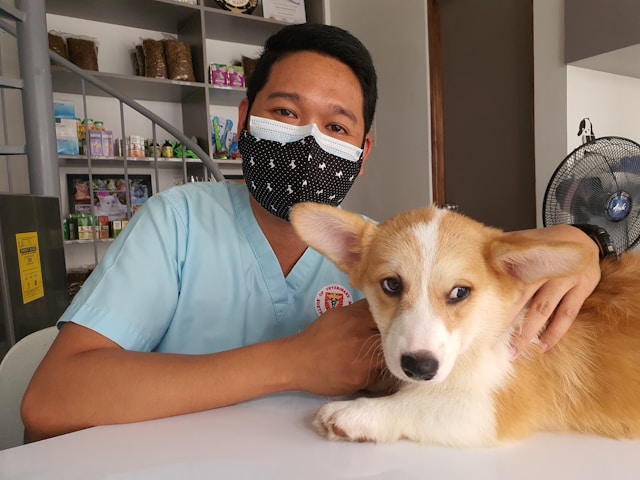
Most people searching for a Byford vet clinic tend to have a pretty narrow view on what they need their pet for. A vaccination because it’s due, a sudden limp out of the blue, a cat that just stops eating for a couple of days. At first it can all seem rather small, like something that won’t amount to much. But before long that one little issue quietly grows into something a whole lot bigger. That’s usually where the real story kicks off.

It usually starts with one “small” problem
The pet owner starts noticing their cat drinking loads of water just out of the blue. Not even a dramatic thing to begin with. The cat still sleeps in its favourite corner, still comes to the kitchen every morning looking for food, still seems as right as rain. So, they just wait around for a bit. A few weeks go by and you start to see weight loss, followed by the odd bout of vomiting. Then, at some point down the track, you’ll have that awkward moment where you’re talking to someone & they go “Maybe you should get in touch with the vet in Byford that everyone trusts”. What catches a lot of owners off guard is just how often serious illnesses start off really quietly. Kidney disease, which is one of the leading causes of death in cats, rarely makes a big show of itself to begin with. And that’s the thing nobody likes, pets are just so good at hiding when they’re in pain. Which changes the way you think about routine care entirely?
The cost question almost everyone asks when looking for a Byford mobile vet service
Before people are even thinking about diagnostics or long-term care, they usually start with a far simpler question. “How much does it cost to get a veterinarian in Byford to come to my house?” It sounds like a straight forward dollar question and all, but there usually is a bit more to it than that. People are often trying to work out if getting help early on is even worth it or if they should just wait & see. Home visits in Byford usually start at around $159, which is a big chunk of change for some families. But here’s where the thinking often changes. Delaying treatment usually ends up costing way more in the long run. Minor problems treated early on may just need some monitoring or a bit of medication. But ignoring them for months can turn into an emergency situation that requires all sorts of diagnostics, surgery or ongoing treatment plans. And the thing is, owners rarely even notice where that invisible line is until it’s too late. And to be honest, that is what makes pet decisions so stressful. You’re making life or death decisions without your pet being able to explain what it actually feels.
The weird thing most owners don’t know about vaccines and vets in Byford
Vaccines are usually just treated like a routine appointment at a Byford veterinary clinic. Quick pop in, quick injection, done and dusted. But there’s a layer to it most people never actually hear explained properly. Veterinarians often follow something called the “3:2:1 rule” for cats after a vaccination. Sounds a bit technical, but basically if a lump remains after 3 months, grows bigger than 2 cm, or keeps increasing in size after a month, it’s worth having a closer look at. Now, don’t get me wrong, vaccines are not the problem. Vaccinations remain one of the most effective ways to prevent really serious infectious diseases in pets. But the big lesson here is not about the vaccine itself, it’s more about the kind of care you get from your vet after the vaccine. It’s not just about giving a treatment, it’s what happens after that.
The problem with thinking ‘normal’ means fine
One of the biggest mistakes pet owners make is assuming that just because everything seems normal, then their pet is definitely fine. Like that just because a dog still eats, everything must be okay. And if a cat still jumps onto the couch, nothing serious must be going on. But let’s be real, animals are incredibly adaptable. Sometimes too adaptable. A cat with dental pain might still be eating, but quietly suffering. A dog with joint issues might just slow down and move less, making the change almost impossible to notice from day to day. Since owners are with their pets constantly, it’s really easy for those slow declines to fly under the radar. And that’s the problem. We tend to notice sudden changes a lot easier than gradual ones. So, by the time we put two and two together, the warning signs seem obvious in retrospect. The reduced appetite. The sleeping changes. The hesitation before jumping. But at the time, each of those signs on its own seemed too small to matter.
What we don’t understand about vaccines?
People often hear terms like “killed vaccines” or “inactivated vaccines” and assume the worst. But the truth is, inactivated vaccines just use pathogens that have been neutralized so they can’t cause disease while still helping the immune system spot threats. And different variations of these vaccines exist for diseases that affect both animals and humans. It’s not about memorizing all the different types of vaccine. It’s about understanding why preventative medicine is so important in the first place. Because once symptoms are already showing, treatment is always going to be harder, longer and more expensive. Prevention might not seem urgent at the time, and that’s exactly why people often delay it. But emergency care always feels urgent later on, especially when you’re suddenly looking for an emergency vet.
The emotional side of pet care
Pet care decisions rarely make total sense, and that’s the truth. Most owners feel guilt for waiting too long, anxiety over costs, or fear of hearing bad news. Some will even avoid appointments because they’re scared of what they might discover. And yet, most owners end up learning the same hard lesson, clarity is less scary than uncertainty. Even knowing what’s going on and what options you have makes things a heck of a lot easier. It’s usually the period of guessing and hoping things will get better on their own that’s the hardest. Because let’s be real, hope can be a real obstacle to taking action.
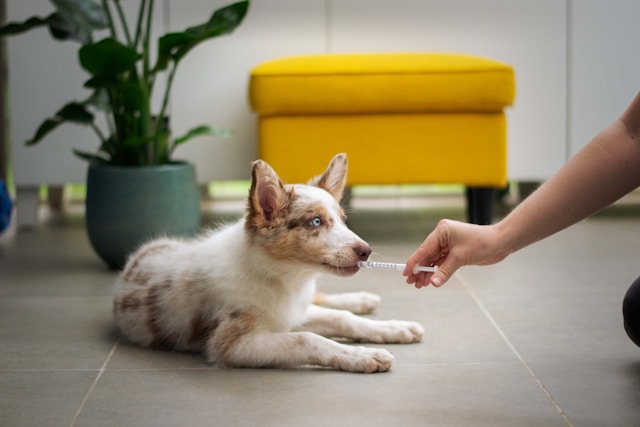
The decision most owners wish they’d made sooner
The thing that’s really surprising is that pet health is often shaped long before emergencies happen. Routine monitoring can catch patterns, and earlier conversations can spot warning signs. And with a little intervention early on, you can prevent bigger problems from developing later on. That’s why experienced pet owners don’t just look at veterinary care as something reactive. They start to see it as a tool for keeping future uncertainty at bay. And once you understand that, the whole conversation around pet care changes completely.