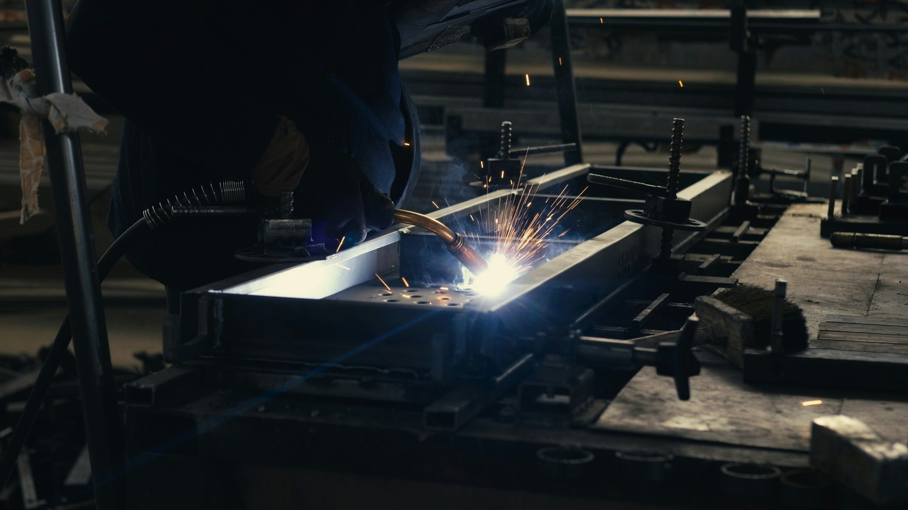
A lab can make a beautiful test specimen in carefully controlled conditions, but industry may still be reluctant to use the same process for a real component. The gap is understandable. Repeatability, machine availability, operator variation, inspection time and cost and material performance are concerns of factories. Research is useful commercially if it shows what happens to a promising result outside the ideal conditions of one experiment.
This translation is particularly demanding because of additive processes with many variables acting on each other. Powder condition, machine calibration, build orientation, thermal history, support design and post-processing can all affect the final properties. One parameter can increase density but increase distortion , or reduce build time but increase surface roughness . It is a research program that needs to uncover relationships, not to publish the best number from a single successful batch.
The must of research is replicating real process
Additive manufacturing research Australia can deliver real value when projects link scientific questions with the constraints manufacturers face during adoption. For example, the study of alloy behaviour is more useful when it also looks at the process windows, inspection methods and repeatability between builds. “This provides evidence that engineers can take to design reviews, supplier discussions and qualification plans rather than the result being left in isolation in a laboratory report.
The experimental design should be a mirror of the production system. Runs in different build positions can show spatial variation and repeated runs show if a result is robust over time. Recording feedstock history and machine condition helps to separate material effects from equipment effects. Researchers may also need to compare measurement methods, because a destructive test that works well in a study may not be practical for every part in routine production.
Failure Data Might Be Better Than a Perfect Sample
Unsuccessful builds should not be considered a waste of work. The limits of a stable process can be cracking, porosity, warping or inconsistent surfaces. For an engineer it is often more useful to map those boundaries than to find a single optimum point. Later planning of production can be more realistic, and the temptation to run a process on the edge of its capability can be reduced. Failure analysis can tell you which variables are sensitive and which are forgiving.
Industry involvement makes the questions sharper. A manufacturer may want repairability, through-put, certification or the ability to substitute a scarce material. These priorities may affect specimen geometry, test temperature, post processing routes and the type of cost data collected. When research teams understand the business decision at stake in the experiment, they can produce outputs that consider scientific uncertainty and practical barriers to adoption.
Experimental Design Must Be Guided by Questions from Industry
Translation also relies on records that are understandable by other teams. Parameter sets, material batches, calibration data, inspection results and deviations should be related to the final conclusions. Common terminology reduces ambiguity when work goes from universities, research centers, equipment suppliers and manufacturers. A clear audit trail means that later projects can build on prior learning and do not have to repeat basic investigations because context was lost.
Translation Requires a Common Evidence Track
The best research programs show more than that an additive process can work. They describe when it works, why it does not work, how stable is the result, and what needs to be controlled during scale-up. This knowledge provides industry with a safer road from curiosity to qualified production. The laboratory is still a place of experimentation, but its greatest impact seems to come when the results are robust enough to stand up to the noise, deadlines and variability of a real factory.