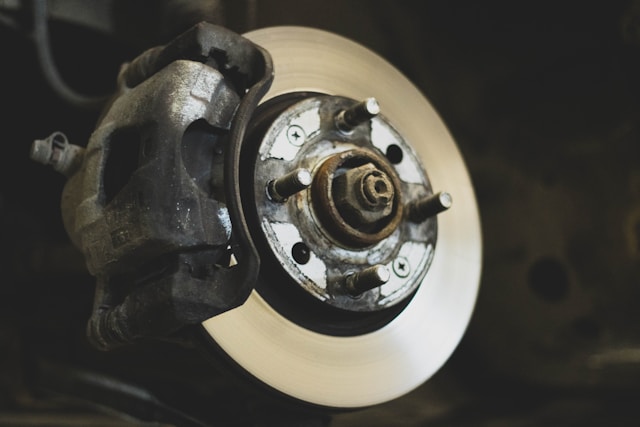
Canberra’s climate is far from the moderate type that you usually find in most other cities. The thing is, mornings drop below zero in winter, with temperatures soaring to scorching dry summers. That creates some pretty brutal thermal cycles that rack up the pressure on brake fluid and pads. Flat cities with a moderate climate just can’t match those conditions. In winter, for instance, condensation forms on your rotors, leaving a thin layer of corrosion. That speeds up wear patterns and shortens the lifespan of those components. As a result, brake fluid doesn’t take kindly to the repeated freeze and warm cycle in a city like Canberra. It degrades its moisture tolerance faster than it would in a coastal city.
The terrain around Canberra is yet another obstacle to contend with. Places like Tuggeranong and Weston Creek are steeped in hills, generating a lot of heat on the downhill stretches. Drivers living on flat streets but regularly navigating Canberra’s inclines are likely underestimating the load they’re putting on their braking system. To make matters worse, the ACT’s high rate of SUV and 4WD ownership adds even more weight to the equation. Standard brake setups are often working flat out to keep up with all of that extra mass. That puts them under a lot of stress.
The Warning Signs That Most Drivers Miss
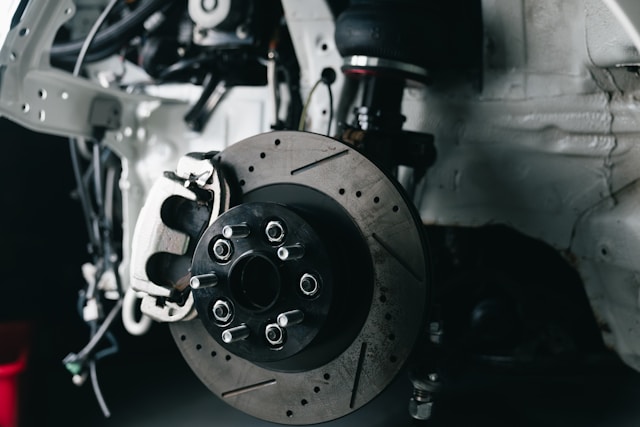
Six warning signs suggest a brake system is crying out for a professional checkover. If your car is pulling to one side when you brake, uneven pad wear or contamination in the brake fluid is a pretty strong possibility. Grinding or growling sounds when you brake are usually a sign that a pad has worn right through to the metal on the rotor. A spongy or soft brake pedal often points to a hydraulic system issue, air in the lines or fluid loss somewhere in the system. Perhaps the most frightening sign is longer stopping distances. You don’t always notice this until you come perilously close to having an accident. A vibrating or pulsing pedal is commonly a warped rotor. The one thing not to dismiss is a warning light on the dashboard. It’s not just a glitch. One key point most drivers don’t grasp is that brake pads typically need to be replaced every 80,000 km. Canberra’s harsh conditions can compress that timeframe alarmingly. If you delay pad replacement, you’re not saving yourself any money. You’re actually setting yourself up for a whole lot more expense down the track. The problem is, once metal-on-metal contact starts to happen, you can end up with costly damage to your callipers, master cylinders and rotors.
What a Professional Brake Assessment Actually Covers
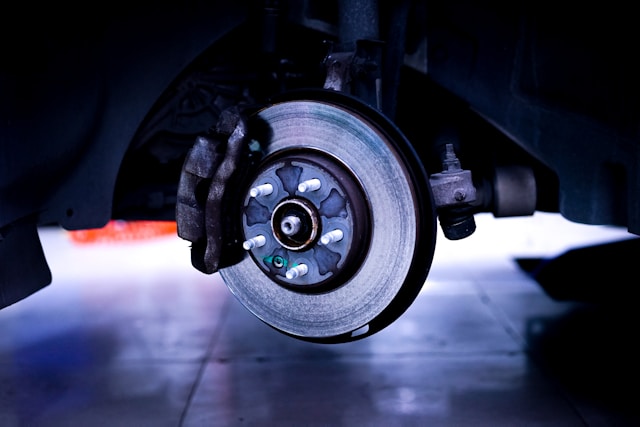
Your average brake check from a qualified Canberra mechanic is a lot more in-depth than just a visual check of pad thickness. A proper assessment will cover ABS system diagnostics, ESC and traction control integration, rotor measurement for thickness and run out, brake fluid condition and contamination testing, calliper operation and slide condition, and hydraulic system pressure testing.
Canberra’s Brake Specialists: Who Does What
ACT has a team of dedicated brake specialists and full-service mechanical workshops that can handle just about anything. We’re talking a big range of brake capabilities here. ACT Brakes and Servicing has been around for over 50 years and they describe themselves as Canberra’s biggest brake and clutch specialist. They cover all sorts of vehicles, including caravans, no problem. ACT Tyre Brake and Mechanical has two locations in Braddon and Mitchell. They’re doing a load of different jobs, including clutches, suspension checks and safety inspections on top of brake repairs Canberra. Then you’ve got TeeJay Mechanical, who’ve brought over 20 years of know-how to the ACT, and Auto Torque in Phillip which is a brake and clutch specialist.
Fyshwick Auto Repairs has been going for four generations of the same family. That’s some serious continuity. They’ve even got a few awards under their belt, including being a finalist in the 2026 Autos Guru Awards. The difference between a general service centre and a dedicated brake specialist really matters when there’s secondary damage or weird brake hardware in the vehicle. For a straightforward pad and rotor swap, they all seem to do the job okay. When you get into complex diagnostics or specialist-type applications, you want a specialist brake provider. They’re going to be able to give you a more reliable outcome.