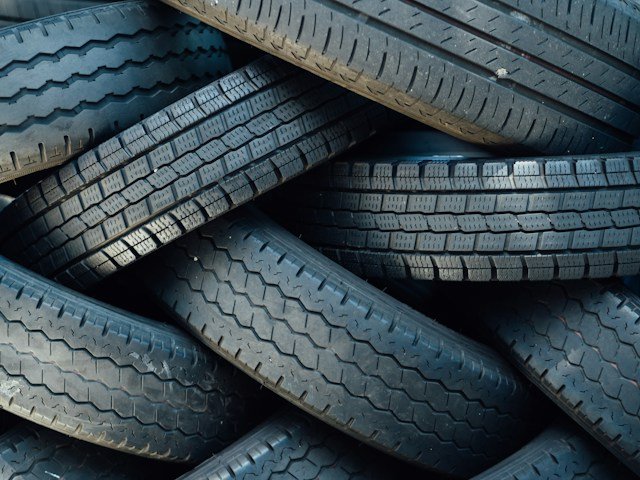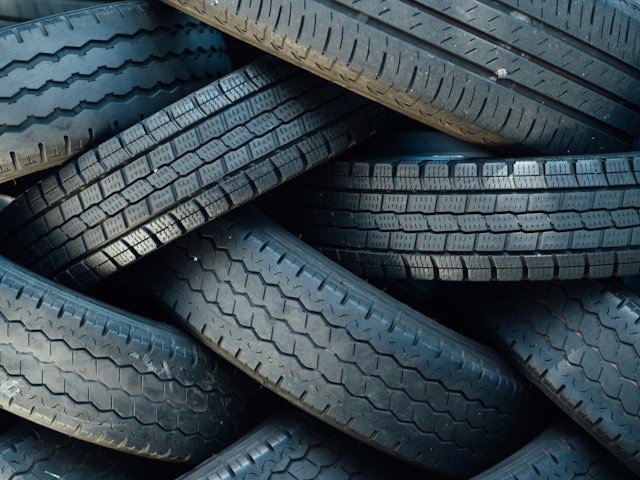
Every time a car starts to pull away, slams on the brakes or swings round a corner, its tyres dish out those forces right back to the road via four tiny patches of rubber. And each of those patches is roughly the size of the palm of your hand; tiny, isn’t it? People driving along the Kwinana Freeway and Mitchell Freeway go about their day relying on these wee areas of rubber all the time without giving them a moment’s thought. But then tyres are often way down the list when it comes to the things that grab people’s attention; they can get a lot less love than the simple gadgets on the dashboard, even though today’s tyre health can give you a pretty good idea of what’s going on elsewhere with the vehicle.
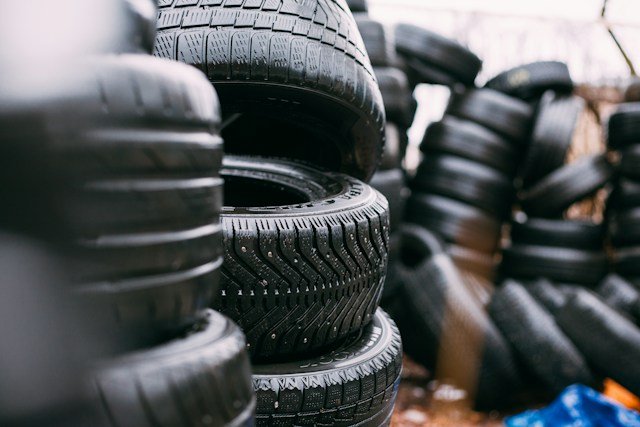
How to Check a Tyre in Less Time Than It Takes to Drink Coffee?
Here in Western Australia there’s a pretty clear minimum tread depth you need to have, and that’s 1.5 millimetres of tread across the main grooves, which is the bit in the middle of the tyre. If you’ve got any less than that, they need to be replaced, because worn-out or dodgy car tyres Perth are a safety risk.
- Take a good hard look at the sidewalls for any cuts, bulges or cracks. These can signal there’s some serious internal damage going on inside the tyre.
- Pop the car on the side of the road and check your tyre pressure when the tyres are stone cold; use the number on the vehicle’s tyre placard as a guide.
- Have a squiz at the wheel nuts, studs and rims and look for any signs of damage; also make sure the rims on each axle match each other.
A tread depth gauge is pretty cheap and really only takes a sec to use; it’s a lot more reliable than just having a guess. And on wet roads, worn tread can be pretty hard to miss because the shallow grooves just can’t move as much water out of the way of the contact patch.
What Uneven Tyre Wear Can Really Tell You?
The way a tyre wears is a pretty good indicator of what’s going on beneath the surface of your vehicle. Western Australia’s Department of Transport reckons damaged shock absorbers are a top cause of poor vehicle control and excessive tyre wear, and a busted front cross member can throw the whole wheel alignment out of whack.
If you notice your tyres are wearing down along just one edge, feathering across the tread or showing up with a scalloped pattern, it’s likely there’s an underlying mechanical problem that needs sorting out. Checking and fixing any alignment or suspension faults before shelling out for new tyres can help prevent the same damage from happening all over again. And if your vehicle is veering off course, wandering all over the road or needs constant steering correction, get a professional automotive expert to take a look, pronto.
Heat, Road Surfaces and Long-Haul Driving
Perth in summer can be a real challenge for tyres; all that hot bitumen, heavy loads and hours of highway driving can take its toll. Under-inflated tyres flex more than they need to, which generates extra heat and increases wear. Before heading off to some of those long weekend destinations, like Margaret River or Albany, for instance, especially if you’re loaded up with gear, make sure to check your tyre pressures. And don’t forget to check on your spare tyre every now and then; even if it’s just sitting in the boot, it’s still ageing away.
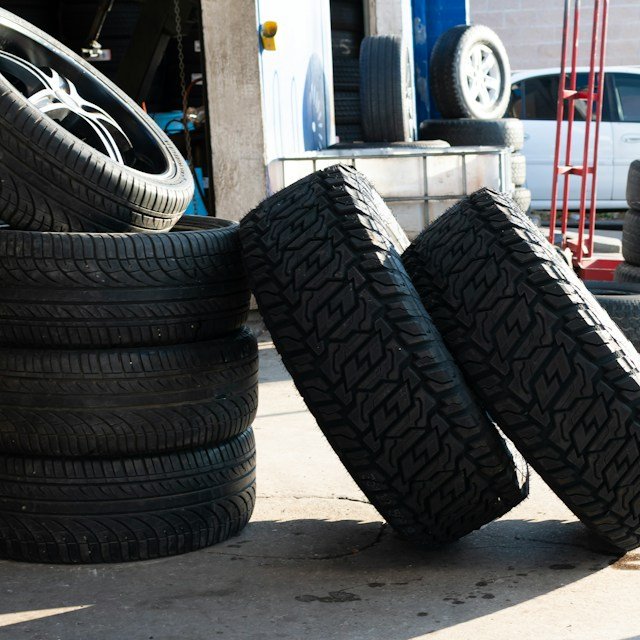
Start With the Tyre Placard When Buying New Tyres
The first place to look when shopping for new tyres is the vehicle’s tyre placard. That thing lists the manufacturer’s recommended tyre sizes and pressures. The Western Australian Department of Transport also says that tyres need to have suitable load and speed ratings for your vehicle, and they can’t be mismatched.
These ratings tell you whether a tyre is up to the job for the loads and conditions you’ll be driving in. And when it comes to fitting tyres together, they need to be compatible, which doesn’t mean you can’t mix and match different brands on the same vehicle. Just make sure to check with a tyre fitter, especially if you’re mixing different sizes or types on the same axle.
- Premium, mid-range and budget tyres differ in their rubber compounds, wet weather handling and expected lifespan.
- Buying second-hand tyres can be a budget-friendly option, but you’ll need to carefully check the age, previous repairs and hidden damage on each one.
- And don’t forget that correct fitting and balancing are essential; wheel vibration can increase wear on your tyres and other components.
When choosing a tyre shop, ask them which tyres would be best for your vehicle, and why. A business that gives you a clear explanation and practical reasons to support their recommendations is probably worth considering for any future work.
The part of a tyre that actually matters is the tiny bit that stays in contact with the road. Taking a minute each month to check your tread depth can help you figure out if those four contact patches are still giving your vehicle the grip it needs.