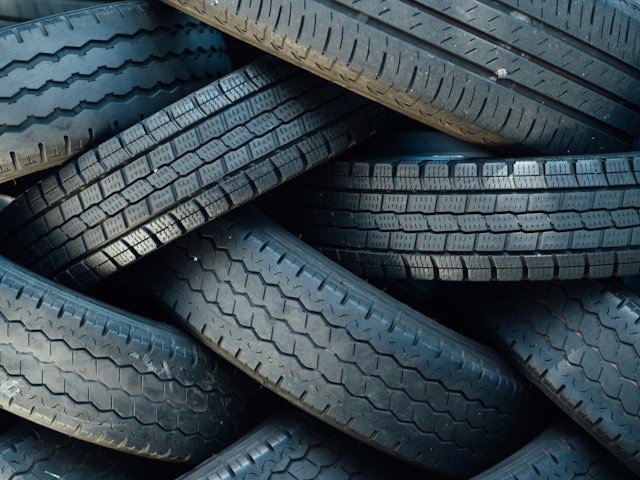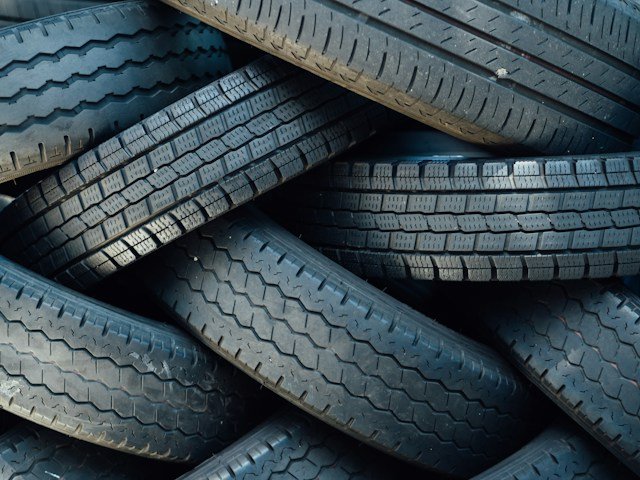
The vehicle remains connected to the road with four little patches of rubber, each approximately the size of a palm. Brake and steering stability control rely on the functionality of these contact points. Choosing the right tyres is an important safety consideration for those drivers who wish to purchase tyres in St Albans.
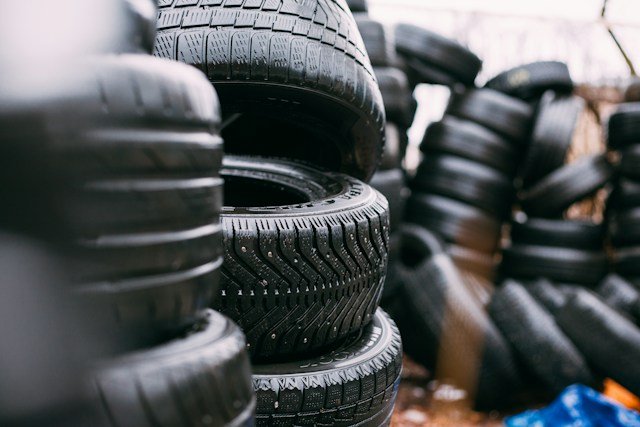
Understanding Tyre Sidewall Codes
The tyre sidewall on new tyres St Albans includes numbers and letters that are used to indicate the key specifications of the particular tyre. These include width, profile, and diameter of the wheel rim, as well as the code of tyre size. The load index specifies the maximum load each tyre can handle, while the speed rating indicates the maximum speed limit of the tyre. The tyre has a date code that consists of four digits and is used to determine its manufacturing period.
Check the tyre placard on your vehicle rather than use the information from memory or based on the current tyre size.
Legal Tread Depth And Safe Replacement
In Victoria, the law requires that tyres must have a minimum of 1.5 millimetres of tread depth in the main channels, known as principal grooves. However, it’s worth noting that this rule has a few caveats; the principal grooves are the wider channels near the centre of the tyre, whereas the smaller secondary grooves are measured differently, so a shallow secondary groove won’t necessarily make the tyre illegal. There are these tiny raised bars in the main grooves that indicate when the tread reaches the legal minimum.
However, it’s worth noting that the tread’s ability to grip in wet weather can start to degrade before the tread gets that low, because shallow grooves struggle to chuck the water out of the way. Many drivers end up replacing their tyres earlier rather than waiting until they get to the minimum limit to avoid the potential risks of reduced grip. Checking your tread depth once a month only takes a few minutes and is a good way to know when you might need to replace them.
What Uneven Tyre Wear Can Reveal?
The state of a tyre can give you a good idea about how well the vehicle has been maintained. For example, if the wear is all along the outer edges of the tyre, it could be that the tyre pressure has been too low, while if you find that there is more wear in the centre, then that probably means the tyre has been over-inflated. If you find that one side is wearing faster than the other, then the wheel alignment is probably out, and if you see any cupped or feathered tread patterns, then you may have worn suspension components or poor wheel balance on your hands.
Helpfully, rotating the tyres between the wheel positions can help to distribute the wear more evenly. Following the vehicle manufacturer’s rotation recommendations can make the tyre last longer too.
Choosing Tyres For Everyday Driving
Different vehicles need tyres suited to how they are used. For example, family hatchbacks driven to school will benefit from tyres that are quiet to run, comfortable, and can handle wet weather, whereas utes and vans loaded up with heavy stuff need tyres that are rated for the load and can withstand the punishment. And if you drive a performance car, then you will want tyres that give you responsive steering and can handle the higher temperatures you are likely to encounter when driving hard.
One thing to watch out for is that if you use different tyres on the same axle, it can affect how the vehicle handles, so it’s a good idea to match the pairs. Now while the purchase price is an important consideration, it is worth noting that the cost over the tyre’s safe working life gives a better comparison.
Questions To Ask Before Buying New Tyres
When you go to the tyre shop, it is a good idea to ask a few questions to make sure you get the right set:
- What size, load index and speed rating do the recommended tyres have?
- What is the manufacture date printed on each tyre?
- Do you need to have the wheels aligned or balanced when the tyres are fitted, and why is that?
- What does the tyre warranty cover, and how long does it remain valid?
- Can you explain the wear patterns on the old tyres and what you think caused them?
The last question can provide a real insight into the vehicle’s condition. The existing tyres may be showing problems with pressure, alignment or suspension that you need to get sorted before you put a new set on. And understanding the cause of uneven wear can help you prevent the same thing happening to the new tyres.
Wheel Alignment, Balancing And Tyre Pressure
It is worth noting that new tyres can wear prematurely if the vehicle has suspension problems or bad wheel alignment. Proper alignment helps the car go straight, while wheel balancing reduces the vibration you feel through the steering wheel. Replacing tyres is a good time to check both of these, and check the valve stems too.