



Plenty of Aussie gardeners have rented a rotary hoe, watched it struggle through their backyard for an afternoon, and wondered what went wrong. The truth is, the machine wasn’t necessarily broken it was just the wrong type for the job, the ground wasn’t readied, or the depth settings were all wrong. Get it right, and that weekend of manual digging turns into a snappy morning’s work. Get it wrong, and you’re left with a frustrating and costly exercise in futility. Here’s how to avoid that from the get go.
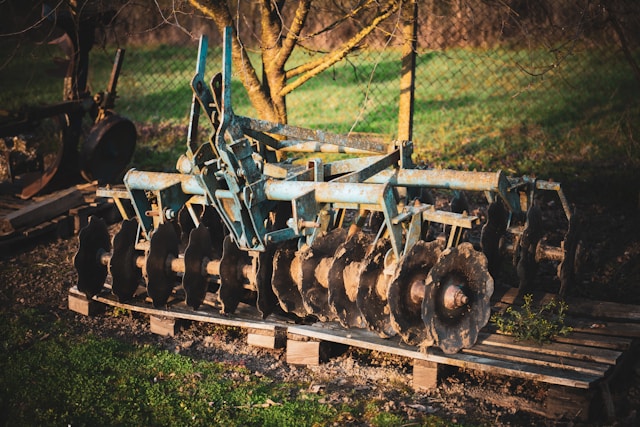
What A Rotary Hoe Actually Does (And What It Doesn’t)?
Don’t get rotary hoe, garden scarifier and lawn aerator mixed up hiring the wrong tool can lead to a whole lot of hassle. A rotary hoe uses a set of spinning tines, powered by a petrol or diesel engine, to break up compacted soil and turn it into a workable mix of earth and organic matter. It’s a ground preparer not a thatch scarifier, turf aerator or lawn maintainer.
When Hiring A Rotary Hoe Makes Sense (And When It Doesn’t)?
Rotary hoers are seasonal, take up a lot of storage space and need regular maintenance to keep them running reliably. If you’re like most homeowners and use the thing for a week or two at a time, then leave it idle for months, buying one is a hard sell against the hire costs. If, on the other hand, your job is pretty defined, you’ve got a tight deadline, and it’s a one off, then rotary hoe hire is the way to go. Buying starts to make sense if you’re using the thing commercially, on multiple big sites per season, or if hire options are thin on the ground.
Get Your Ground In Order Before The Machine Shows Up
This is probably the step people overlook most often and it’s the reason so many hire experiences are a letdown. A rotary hoe that turns up to find ground as hard as concrete, buried irrigation lines, and tree roots all over the work area is going to struggle, no matter how well it’s used.
Before the machine arrives, make sure you’ve:
- Marked out all the underground irrigation lines, water pipes and electrical conduits tines will get caught and damaged if you don’t.
- Cleared the big rocks, root sections, brickwork debris and other solid stuff from the work area.
- Watered the ground if it’s dry and compacted it makes a huge difference to the tines’ effectiveness.
- Checked the tine condition on the hire machine when you pick it up if they’re worn or missing, it’ll affect how well the thing works.
Arrive with your ground in order, and the machine will be humming along in no time. But if you don’t, that first part of the hire period will be spent trying to fix the issues that you should’ve sorted out long before.
Safety Tips For Using A Rotary Hoe On A Residential Block
Rotary hoes have more power than the machines look like. They are capable of catching solid objects and directing them, walking forward unexpectedly on very hard soil, and any sloping changes the hazard completely. This doesn’t mean that the machine is dangerous when used appropriately, but requires some caution. For current equipment safety guidelines and operator obligations, refer to WorkSafe Australia before using powered garden machinery on any residential site. Go slow and steady. Overlapping passes on 20 centimetres will ensure the uniform depth and prevent missed strips. On slopes, you need to till the land across the slope, not along it. Proper PPE for rotary hoe operation includes closed footwear, safety glasses to protect eyes from flying stones and dust mask on windy days when soil is dried out and creating the dust in the air. It’s a popular mistake to try to reach working depth in one pass. Several passes in two or three layers create a better result, reduce the stress on the drive system and are much easier to control.
When Rotary Hoe Attachment Becomes Useful?
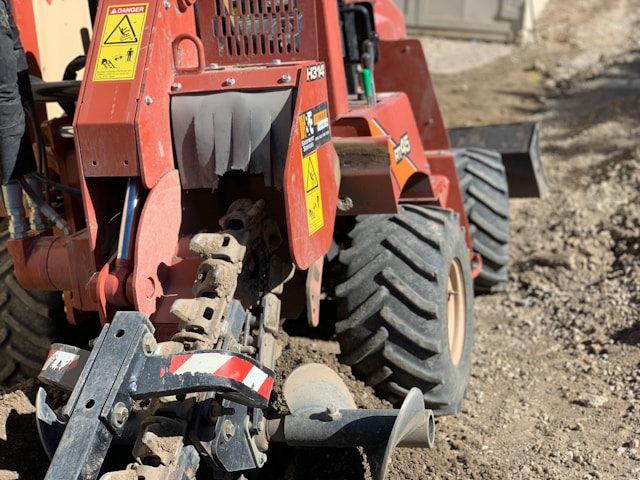
For most of the residential gardens preparation work, the walk behind machine is the right choice. For construction businesses performing larger-scale projects and having mini loaders on-site, the rotary hoe mounted on the mini loader will become a great alternative. Mounted hydraulically and attached to the quick-couple system of the loader, this solution will perform faster and is suitable for the tougher soils and for the people accustomed to operate the mini loaders. If the project is big enough and the equipment is on-site, you may ask the operator if there is an alternative with the attachment.









Comments are closed.