Your car is more than just a mode of transportation; it’s an extension of your personality and a significant investment. Keeping it in pristine condition can be challenging, especially with the daily wear and tear from road debris, UV rays, and weather conditions. Enter Paint Protection Films (PPF), the ultimate solution for those who want to safeguard their vehicle’s exterior while maintaining its aesthetic appeal. These transparent films are designed to shield your car’s paint from scratches, chips, and fading without altering its appearance. If you’re serious about preserving that showroom shine, it’s time to explore the world of PPF and discover how it can transform your car care routine into something extraordinary.
Benefits of PPF for Car Owners
Paint Protection Films Ppf offer car owners a shield against daily wear and tear. They act as a barrier, preventing scratches and stone chips from damaging the vehicle’s surface.
One of the standout benefits is UV protection. PPF helps keep your car’s paint vibrant by blocking harmful rays that can cause fading over time.
Another advantage is ease of maintenance. With PPF, washing your car becomes less daunting since dirt and grime are easier to remove from its smooth surface.
Additionally, many films are self-healing. Minor scratches can disappear with heat exposure, keeping your ride looking pristine without frequent trips to the detailer.
Investing in PPF not only enhances appearance but also boosts resale value. A well-preserved finish will attract potential buyers more than one showing signs of age or damage.
Types of PPF and Their Features
When exploring paint protection films, you’ll find several types designed to suit various needs.
Self-healing PPF is a standout. It can repair minor scratches and swirl marks through heat. This feature keeps your vehicle looking pristine longer.
Then there’s gloss finish PPF. It enhances the car’s shine while protecting against UV rays and contaminants. Perfect for those who want that showroom look without compromising on defense.
Matte finish PPF offers a distinctive aesthetic. It provides the same level of protection but with a unique, non-reflective surface that’s gaining popularity among enthusiasts.
Textured or carbon fiber films add character too. They not only safeguard surfaces but also elevate appearance with their sporty vibe.
Each type caters to different styles and requirements, making it easier for every car owner to choose based on personal preferences and driving habits.
How to Apply PPF on Your Car
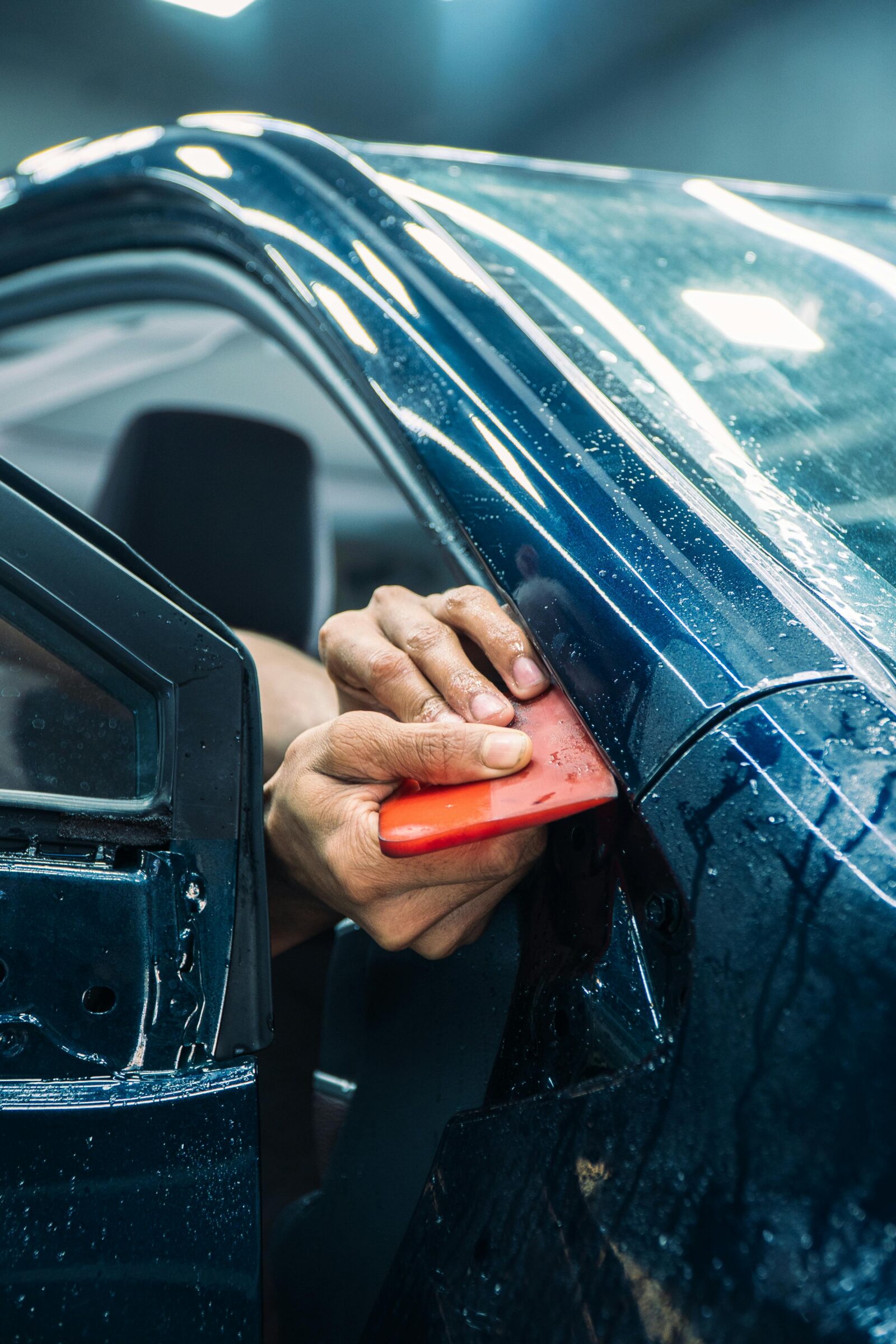
Applying paint protection film (PPF) to your car can be a rewarding DIY project. Start by gathering the necessary tools: a squeegee, heat gun, and spray solution.
First, thoroughly clean the surface of your vehicle. Any dirt or debris can cause bubbles under the film. Use a gentle soap and water mixture for this step.
Next, measure and cut the PPF according to your car’s dimensions. Leave some extra material around edges for easier installation later.
Mist both the adhesive side of the PPF and your car’s surface with soapy water. This helps position it without sticking immediately.
Carefully apply one edge first and slowly work across while using the squeegee to eliminate air bubbles. If you encounter stubborn areas, use gentle heat from your heat gun to make adjustments easier.
Take your time during this process; precision is key for a flawless finish that lasts long-term.
Maintenance and Care Tips for PPF
Taking care of your paint protection film is essential to ensure it lasts as long as possible. Here are some handy maintenance tips.
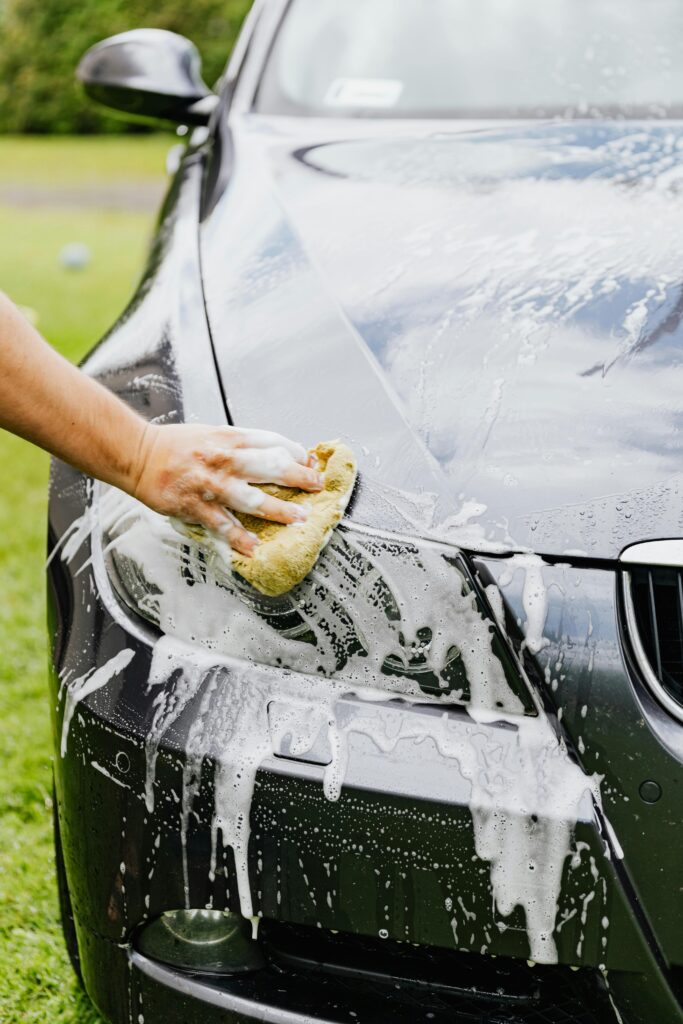
First, regularly wash your car using a pH-balanced soap. Avoid harsh chemicals that can degrade the film over time. A microfiber cloth or sponge works best for gentle cleaning without scratching the surface.
If you notice any minor scratches or scuffs on the PPF, don’t worry. Many modern films have self-healing properties, which means they can repair themselves when exposed to heat. Park in sunlight or use a heat gun at a safe distance to speed up this process.
Be cautious with wax and sealants. While some products are compatible with PPF, others may cause discoloration or damage. Always check product labels before applying anything.
Try to avoid parking under trees where sap and bird droppings can land on the film; these substances might be tough to remove if left too long. If they do end up on your car, clean them off promptly for better longevity of both your vehicle’s appearance and its protective layer.
By following these tips, you’ll keep your paint protection film looking fresh while safeguarding your investment against wear and tear from daily driving conditions.