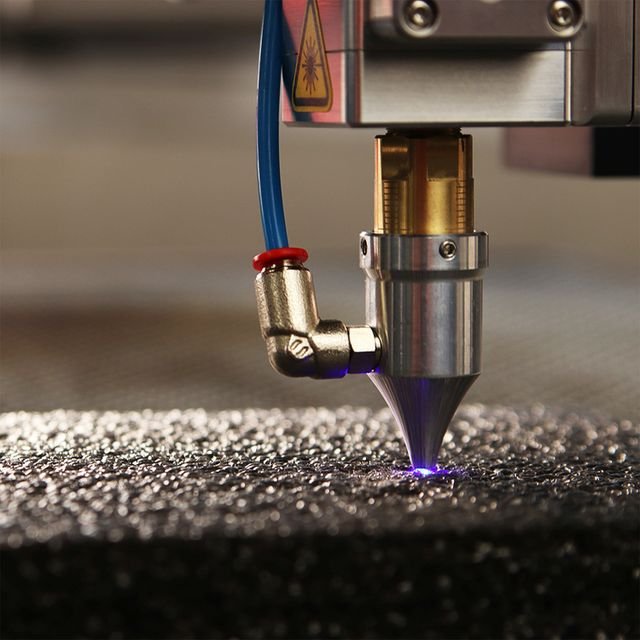
For years now, plasma cutting has been used by the fabrication industry in Melbourne, and in many workshops, it continues to be used. However, the tolerances, heat-affected zones, and edge finishing it provides have become constraints for industries, which have much tighter requirements than before. The move towards laser cutting services Melbourne is not a marketing one; it is an unavoidable production process driven by customer demand.
The difference in precision is the key aspect in this matter. Laser cutting offers narrow kerf width and automated precision, which make the process more accurate, as well as minimise material wastage. In case of working with materials like stainless steel, brass, and aluminium, where material cost becomes an important factor, savings become even more significant.
The Australian Bureau of Statistics reports an annual 14.2% increase in manufacturing turnover in Australia from September 2024 to September 2025, with a 19.7% month-on-month increase in primary metal product manufacturing in August to September 2025.
Materials That Work Well Under a Laser
The material range handled by laser cutting is wider than most clients expect before they make their first enquiry. Mild steel, stainless steel, aluminium, brass and various alloys are standard, each requiring different cutting parameters around power, speed and assist gas. Beyond metals, contour-style laser machines handle acrylic, polycarbonate, MDF and timber with clean edges that sawing or routing rarely achieves consistently.
Thickness is where the conversation with a fabricator becomes specific. Thicker materials require adjusted focal settings and different machine configurations. A reliable Melbourne supplier will tell you exactly what the equipment can handle rather than quoting broadly and adjusting expectations later.
Industries That Rely Most Heavily on Laser Cutting in Melbourne
Shop fitters deal with laser-cut metal parts regularly; the high-end brand look that is demanded in retail space depends on precision starting with the cutting stage, be it frames for signs, brackets for shelves or decorative facade panels. Advertising and marketing agencies order cut panels and letters, where edge quality can be seen even at close range.
Landscape designers use laser-cut mild steel parts for garden screens, planters’ edging and outdoor furniture. In automotive and engineering facilities the most important factor in choosing a metal cutting partner is the ability to provide the same parts repeatedly; mounting brackets going out of tolerance on the hundredth piece will cause assembly issues down the road.
From Prototype to Production: Where Most Projects Go Wrong
This stage of a fabrication project usually causes difficulties if the metal cutting supplier does not have the proper processes in place for design iteration. A prototype that needs to get design feedback to be implemented into manufacturing requires a process that can incorporate the changes at the programming stage, not physically. Metal cutting suppliers who have their own CAD/CAM programming department can get a design revision and implement it onto the machine without any delays.
Volume orders have their particular considerations of job nesting, machine scheduling and material changeover.
Finishing: The Stage That Determines Long-Term Performance
Quality of the cut is not the whole story. Deburring eliminates sharp edges, which become safety and assembly issues later. Rumbling and linishing smooth out the surface before coating is applied. Finish specification becomes as important as the cut; powder coating, zinc plating and electroplating fit different environments and performance parameters.
Choosing a Melbourne Laser Cutting Supplier Worth Relying On
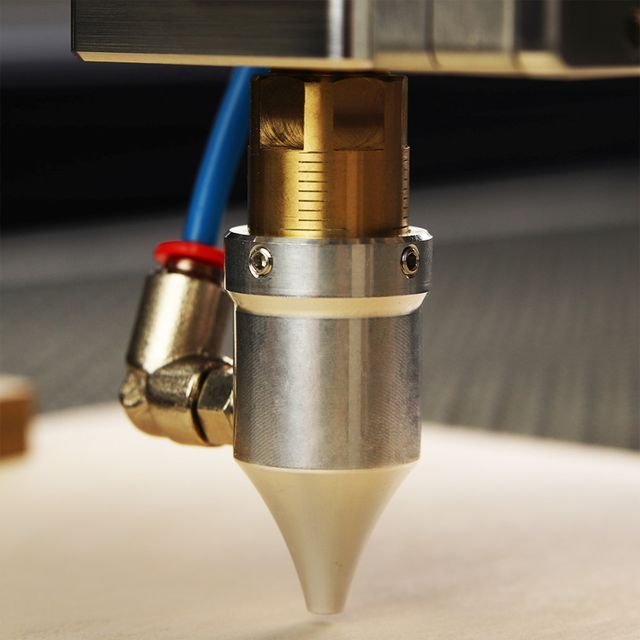
The key questions to differentiate good suppliers from mediocre ones are rather simple. What machines do you have? Do you do in-house programming? What is your lead time for different volumes? Can you finish your job from cutting to finishing under the same roof? A Melbourne-based metal cutting supplier will reply quicker, communicate better and save the freight days in your delivery schedule.