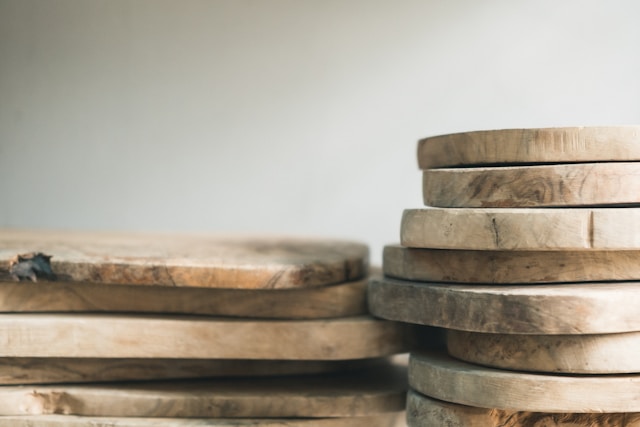
To make food preparation safer and easier, every kitchen needs a few basic items. One of the most popular tools among these is the chopping board. They offer a solid surface for slicing meats, chopping vegetables, and getting things ready for cooking. Chopping boards are regarded as a fundamental yet essential component of everyday meal preparation in Australian homes and business kitchens. Cooking efficiency and kitchen hygiene can both be enhanced by selecting the proper kind of cutting board.
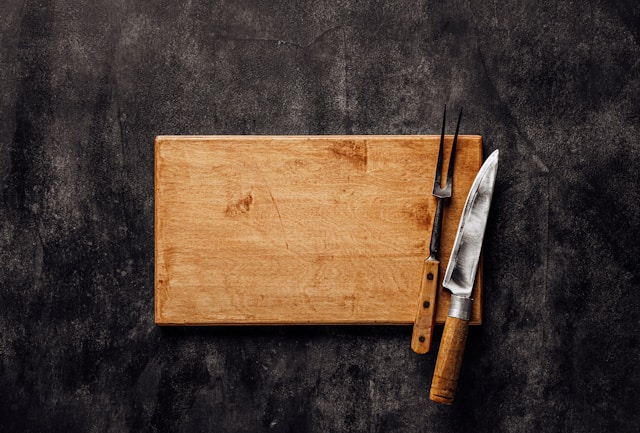
Why a Good Cutting Board Is Essential for Every Kitchen?
Because they offer a dedicated area for food preparation and safeguard benchtops, many homeowners invest in sturdy kitchen cutting boards. Cutting directly on countertops without a suitable cutting board can dull kitchen blades and harm surfaces. Additionally, kitchen chopping boards contribute to kitchen hygiene. Cooks can avoid direct contact between ingredients and potentially unsanitized surfaces by using a dedicated board for food preparation. Additionally, a high-quality chopping board increases safety. Users can better manage their knives thanks to the sturdy surface, which lowers the possibility of slips or unintentional cuts. Having dependable cutting boards guarantees that culinary operations stay efficient and orderly in busy Australian kitchens where meals are made every day.
Common Materials for Cutting Boards
Chopping boards come in a variety of materials, each with unique benefits. Wooden cutting boards are prized for their longevity and organic look. Wooden boards are popular because they are kind to blades and take on a distinct personality over time. Additionally, a lot of people use plastic cutting boards. These boards are frequently dishwasher safe, lightweight, and simple to clean. They can handle raw meats or seafood because of their non-porous surfaces. As an eco-friendly substitute, bamboo cutting boards have grown in favour. Bamboo is a material that grows quickly and offers a robust and appealing cutting surface. Although they are less frequently used for heavy cutting jobs, glass cutting boards provide an additional choice. Glass surfaces can dull blades more quickly than other materials, despite the fact that they are simple to clean. Choosing the appropriate material frequently depends on maintenance needs, cooking habits, and personal preferences.
Advice for Keeping Chopping Boards in Good Condition
Cutting boards may be kept long-lasting and hygienic with proper maintenance. One of the most crucial aspects of ensuring food safety is cleaning the board after each use. To avoid warping, wooden boards should be cleaned with warm water and a moderate detergent, then dried right away. Periodic oiling with food-safe mineral oil helps maintain the wood and prevent cracking. Plastic boards can usually be cleaned in the dishwasher or with hot soapy water. This makes them convenient for households that require quick and thorough sanitation. It is also recommended to use separate boards for different types of food. For example, one board can be reserved for vegetables while another is used for raw meats. This practice helps prevent cross-contamination. Regular inspection is also helpful. If a board develops deep grooves or cracks, it may be time to replace it to maintain proper hygiene.
A Simple Tool with Big Benefits
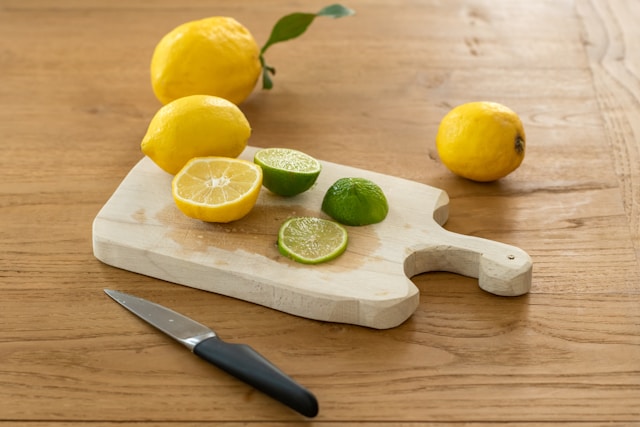
Despite their seeming simplicity, chopping boards are essential for effective and safe cooking. They aid with knife control, safeguard kitchen surfaces, and promote good hygiene when preparing food. Australian homes can make sure their kitchens are safe and organised by selecting high-quality boards and properly maintaining them. Whether made from wood, plastic, or bamboo, a reliable chopping board is a fundamental tool that supports every cooking experience.