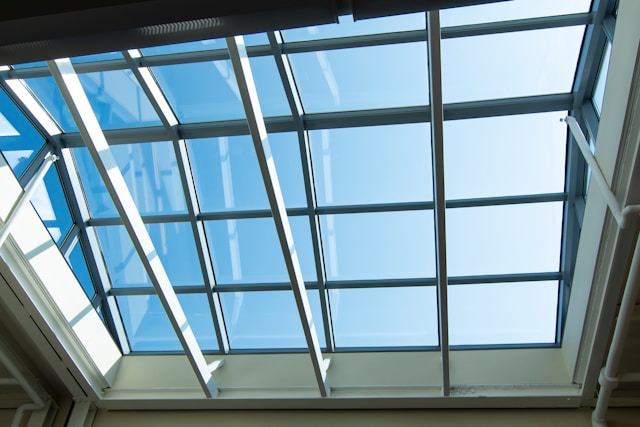
When designing cosy and welcoming living areas, natural light is crucial. Because hallways typically lack direct access to windows, they are frequently darker than other parts of Australian homes. These areas may therefore feel cramped, boring, or contained. Installing skylights is one practical solution that more and more homes are selecting. By allowing natural light to enter the house through the roof, skylights make dark interior spaces feel cheerful and inviting. They can greatly enhance a hallway’s overall ambience and usefulness when positioned thoughtfully.
Why Hallway Skylights Are Effective?
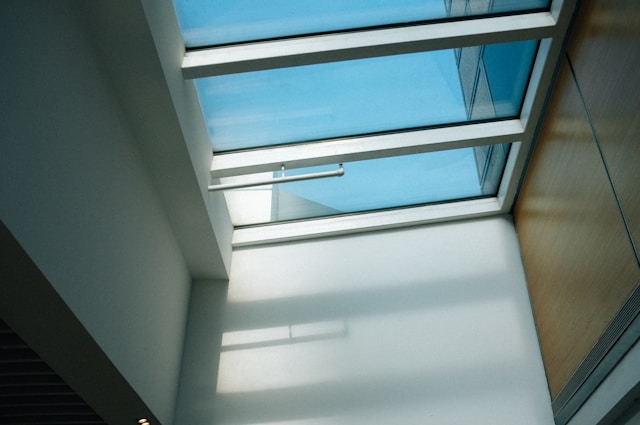
Because hallways frequently lack natural lighting, many homeowners think about putting skylights in hallways. In contrast to living rooms or bedrooms, which normally have windows, hallways are frequently located in the middle of a house where windows cannot be installed on outside walls. By letting sunshine in from above, skylights offer the perfect option. The corridor is uniformly illuminated by this natural light, which lessens the demand for artificial lighting during the day. Skylights may significantly improve indoor brightness in Australia, since sunlight is plentiful in many areas. Energy efficiency is an additional benefit. Households may consume less electricity during the day if they rely more on natural light. In addition to encouraging eco-friendly living, this can help reduce energy costs. Additionally, skylights enhance interior rooms’ aesthetic attractiveness. A well-lit corridor gives the impression of being bigger, neater, and more contemporary. Architectural elements, flooring, and wall décor that could normally go overlooked in darker settings can all be highlighted by natural light.
Skylight Types Appropriate for Hallways
In Australia, there are numerous varieties of skylights that can be installed in homes. One of the most popular choices is a fixed skylight. These units are a dependable option for hallways that don’t need ventilation because they are made exclusively for light ingress and stay permanently shut. Another well-liked option is tubular skylights. These systems direct sunlight from the roof into interior spaces using reflective tubes. They are especially helpful in small hallways or areas where roof building constraints may prevent regular skylights from fitting. Both light and airflow are provided by ventilated skylights. Some homeowners choose them for hallways that can benefit from more ventilation, even though they are more frequently put in kitchens or bathrooms. Advanced glazing technology is another option for contemporary skylights. During Australia’s sweltering summers, double-glazed or tinted glass can assist control inside temperatures by limiting heat gain while letting plenty of natural light in.
Australian Home Installation Considerations
Skylight installation calls for meticulous preparation and skilled knowledge. Sunlight direction, ceiling design, and roof structure all affect how successful the installation is. To choose the ideal location for the skylight, skilled installers assess the orientation of the roof. North-facing roof sections are perfect for skylight placement since they receive the most continuous sunshine throughout the day in many Australian homes. Another crucial component of installation is waterproofing. In addition to preventing leaks, proper flashing and sealing guarantee the skylight’s durability during periods of intense rain or storms. In order to regulate the amount of sunlight that enters the hallway, homeowners could also think about putting blinds or diffusers. On really bright days, these features might assist decrease glare and offer flexibility.
Using Natural Lighting to Increase Comfort and Style
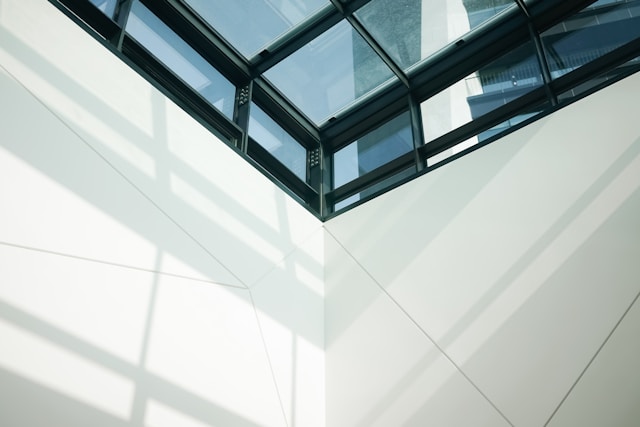
The atmosphere of a house can be significantly enhanced by adding natural light to interior areas. Bright corridors make everyday tasks like going between rooms easier and more enjoyable, and they also create a more welcome atmosphere. Additionally, skylights support contemporary home design trends that prioritise airy, open spaces. Skylights can become a long-lasting feature that improves comfort and aesthetic appeal with careful installation and high-quality materials. For many Australian homeowners, adding natural light to the darker parts of the house is an easy yet practical approach to support energy-efficient architecture and enhance overall living circumstances.