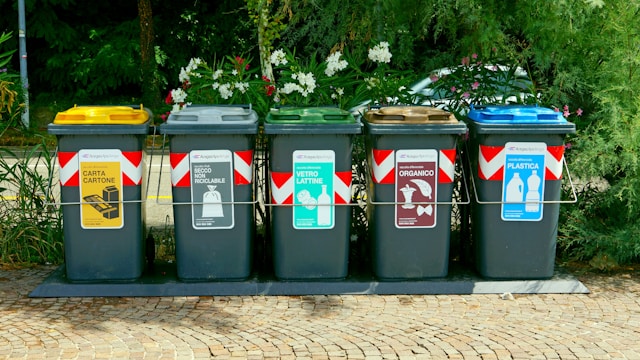
Demolition and large-scale construction projects in Australia are churning out massive amounts of rubbish – think concrete, bricks, timber, metal and all sorts of other debris. Not only are these sites a logistical nightmare, but they’ve also got to be handled with safety, compliance and environmental responsibility in mind. And that’s where skip bins come in – they’re a game-changer for handling huge volumes of waste, without bogging down a project’s workflow. And it’s really no wonder they’re a crucial element in demolition and large-scale construction work, these projects often involve tight deadlines, strict rules and the need to keep the site clear and safe. When it comes to dealing with demolition sites or massive construction projects, the choice of skip bin size and type is a big deal. A commercial skip bin is often your best bet, as it’s designed to handle massive volumes of waste and take all sorts of materials.
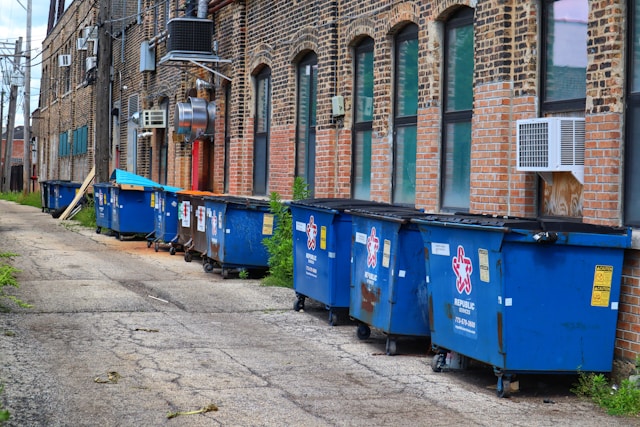
Making Waste Management Work in Demolition Projects
Demolition projects are in a league of their own, as they often involve tearing down decades-old structures, which can produce waste that’s as varied as it is unpredictable. You’ve got concrete slabs, steel reinforcement, timber frames and even hazardous stuff like asbestos to deal with. That’s where skip bins come in; they provide a central place for collecting all this stuff, stopping it from getting scattered all over the site. Not to mention the safety benefits of having a skip bin on site and the fact that they make it easier to separate recyclables from general waste, which is a big thing in the construction and demolition industries here in Australia. Recycling is a major focus, and guidelines are strict about making the most of materials wherever possible. Skip bins make that bit a whole lot easier by helping you sort recyclables from the rest of the waste. Another important thing about managing waste on demolition sites is just how efficient it has to be.
Skip Bin Sizes and Their Applications
Skip bins vary significantly in size, just the right size for minor renovations, but for big demolition jobs, you’re going to need something that can handle all that heavy and bulky waste. We see a lot of different sizes in Australia, everything from a couple of cubic metres up to over thirty cubic metres which is fantastic for project managers trying to figure out what they need. For jobs involving lots of concrete, bricks and steel, all of which are both heavy and take up a lot of room, you’ll really want to have a bigger bin. This way, you’re not constantly running back and forth, switching bins or getting extra transport. It’s worth picking the right bin size so you can get waste managed properly without it being a hassle. Skip bins aren’t just for demolition work, though. Large construction projects, new infrastructure, and industrial jobs all benefit greatly from having a reliable waste management solution on site.
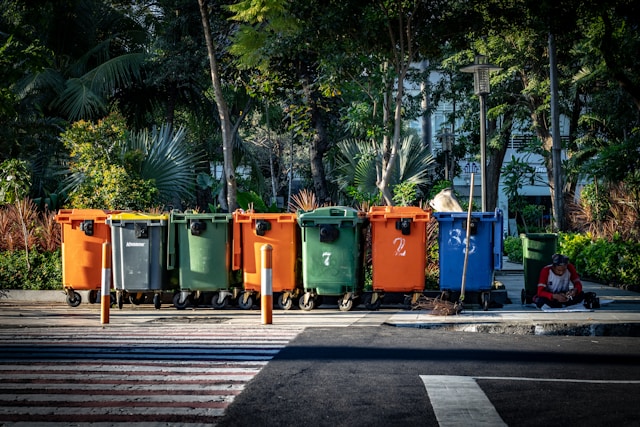
Environmental Considerations and Recycling
Australia takes its environmental responsibilities pretty seriously, and skip bin solutions play a big part in helping to get things right. Waste from demolition and construction can have a pretty big impact on the environment if you don’t handle it properly. But skip bins give you a sensible way to collect and transport all that waste off to recycling centres so you can get materials like concrete, metal and wood reused rather than sent to the tip. And recycling doesn’t just save the environment, it also plugs into the whole circular economy idea, where stuff gets repurposed for new projects instead of just getting chucked away. Hazardous waste management is another key area where skip bins really show their worth. When you’ve got materials like asbestos, chemicals and contaminated soil, you need to handle it with care; workers and the environment depend on it.